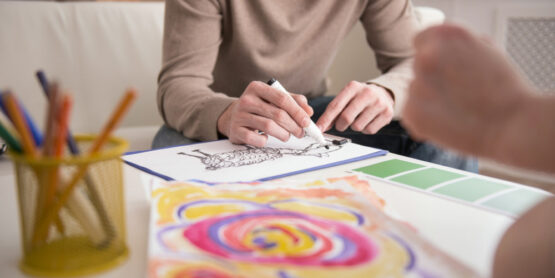
Recovery from addiction and mental health challenges involves much more than changing behaviors. It requires healing the mind, processing difficult emotions, and creating new patterns that support long-term wellness. Modern research continues to show that the brain has an incredible ability to adapt and change throughout life. This ability, known as neuroplasticity, plays a vital role in recovery. One powerful tool that supports this process is art therapy. At Keweenaw Krayons, art therapy is incorporated into holistic, faith-based, and individualized treatment programs to help clients strengthen emotional health, develop resilience, and create lasting change.
Understanding the Brain’s Ability to Heal
For many individuals struggling with addiction, substance use can affect how the brain processes reward, stress, decision-making, and emotions. Similarly, trauma, anxiety, depression, and other mental health conditions can alter neural pathways, making it more difficult to regulate emotions and respond to challenges in healthy ways.
The encouraging news is that the brain is capable of forming new connections. Through consistent therapeutic practices, healthy coping strategies, and supportive treatment, individuals can create new pathways that support recovery and emotional balance.
What Is Neuroplasticity?
Neuroplasticity refers to the brain’s ability to reorganize itself by forming new neural connections. Every time a person learns a new skill, practices a healthy habit, or engages in meaningful experiences, the brain adapts.
In recovery, this process is essential. Replacing harmful patterns with healthier behaviors requires repeated practice and positive experiences that reinforce new ways of thinking and responding.
How Art Therapy Supports Brain Healing
Art therapy is more than a creative activity. It is a therapeutic approach that engages multiple areas of the brain simultaneously. Through drawing, painting, sculpting, and other forms of creative expression, clients activate regions associated with emotion, memory, sensory processing, problem-solving, and self-awareness.
Engaging Both Logic and Emotion
Many therapeutic approaches focus primarily on verbal communication. Art therapy engages both emotional and cognitive processes at the same time. While creating, clients draw upon imagination, decision-making, memory, and emotional expression.
This integration can help strengthen communication between different parts of the brain, supporting emotional regulation and self-understanding.
Creating New Responses to Stress
Stress is one of the most common triggers for relapse and mental health setbacks. Art therapy offers a healthy and productive way to respond to stress.
When clients engage in creative activities, they often experience a calming effect that helps reduce anxiety and quiet racing thoughts. Repeated participation in these activities reinforces healthier responses to stress, helping the brain build new coping patterns over time.
Art Therapy and Emotional Healing
Emotional healing is a critical part of recovery. Many individuals enter treatment carrying unresolved trauma, grief, guilt, or shame. These emotions can feel overwhelming and difficult to express through conversation alone.
Accessing Emotions Beyond Words
Trauma and emotional pain are not always stored in ways that are easy to describe. Art therapy provides a nonverbal pathway for expression. Through color, imagery, and creative design, clients can communicate experiences and emotions that may otherwise remain hidden.
This process helps individuals gain insight into their feelings while creating opportunities for meaningful therapeutic conversations.
Strengthening Emotional Awareness
Self-awareness is one of the most important skills in recovery. Art therapy encourages reflection and exploration, helping clients identify emotional patterns, triggers, and strengths.
As awareness increases, individuals become better equipped to manage challenges, make healthier choices, and maintain progress in recovery.
Integrating Art Therapy into Inpatient and Outpatient Treatment
At Keweenaw Krayons, art therapy is integrated into both inpatient and outpatient programs to provide consistent support throughout the healing journey.
Art Therapy in Inpatient Care
Inpatient treatment offers a structured environment where clients can focus fully on recovery. Art therapy sessions complement counseling, group therapy, and other evidence-based treatments by providing an additional outlet for emotional processing.
Creative activities help clients reduce stress, build confidence, and engage more deeply in their recovery process.
Continuing Growth Through Outpatient Care
Recovery continues long after residential treatment ends. Outpatient programs help clients apply what they have learned to everyday life.
Art therapy remains a valuable tool during this phase. Clients can continue using creative expression to manage emotions, reduce stress, and reinforce healthy habits that support long-term wellness.
A Holistic and Individualized Approach to Recovery
Every person’s recovery journey is unique. Keweenaw Krayons takes a personalized approach to treatment that addresses emotional, psychological, physical, and spiritual needs.
Art therapy can be adapted to support a wide range of recovery goals, including trauma healing, emotional regulation, stress management, and self-discovery. Combined with faith-based support and evidence-informed care, it becomes part of a comprehensive strategy for lasting transformation.
Building Confidence and Purpose
As clients create artwork and explore their experiences, they often discover strengths they may have overlooked. Creative expression fosters confidence, encourages personal growth, and helps individuals reconnect with a sense of purpose.
These positive experiences reinforce recovery while supporting the brain’s ongoing ability to form healthier patterns.
Moving Forward with Hope and Healing
Recovery is a process of growth, healing, and transformation. While addiction and mental health challenges can change the brain, healing is possible. Through neuroplasticity, the brain can develop new pathways that support healthier thinking, emotional balance, and long-term recovery.
Art therapy plays a powerful role in this process by engaging the mind, supporting emotional expression, and reinforcing positive coping skills. At Keweenaw Krayons, we believe in treating the whole person through compassionate, individualized care that promotes lasting healing.
If you or a loved one is seeking support for addiction recovery or mental health treatment, our team is here to help. Reach out today to learn how art therapy and holistic treatment approaches can support your journey toward healing, resilience, and renewed hope.