
Art Therapy for Addiction Recovery: 5 Ways Creative Activities Can Support Emotional Healing

Addiction recovery involves more than stopping substance use. It also means learning to manage difficult emotions, rebuild self-confidence, develop healthy coping skills, and reconnect with the parts of life that matter most. For many people, these changes can feel overwhelming, especially when painful experiences are difficult to put into words. Art therapy offers another way to begin healing. Through drawing, painting, collage, and other creative activities, individuals can explore emotions, reduce stress, and develop a stronger understanding of themselves. When combined with appropriate addiction treatment and mental health care, creative expression can become a meaningful part of a personalized recovery plan.

You do not need to be an artist to benefit from creative activities. The goal is not to create a perfect painting or produce something impressive. Instead, it is to use the creative process to explore feelings, practice healthier responses to stress, and build confidence one step at a time.

What Is Art Therapy in Addiction Recovery?

Art therapy is a therapeutic approach that uses creative expression to support emotional, psychological, and behavioral well-being. When provided by a qualified art therapist, it involves guided activities designed around an individual’s needs and treatment goals.

In addiction recovery, art therapy may help people explore emotions connected to substance use, trauma, anxiety, depression, grief, or strained relationships. It can also provide opportunities to practice emotional regulation and recognize personal strengths.

Importantly, art therapy complements rather than replaces evidence-based addiction treatment, counseling, medical care, or other recommended mental health services. Its role is to offer another way to participate in the healing process.

5 Ways Creative Activities Can Support Emotional Healing

1. Art Provides a Healthy Outlet for Difficult Emotions

People experiencing addiction may struggle with feelings they have hidden for months or years. Shame, anger, loneliness, fear, and sadness can be difficult to discuss, particularly when someone is still learning to understand what they feel.

Creative activities can provide another starting point.

For example, someone might use colors to represent their mood, draw an image that reflects a stressful experience, or create a collage showing what hope means to them. The activity allows them to explore emotions without needing to explain everything immediately.

With appropriate therapeutic guidance, the creative process can help individuals identify feelings and begin discussing them at a manageable pace.

Try this: Spend five minutes drawing shapes or choosing colors that reflect how you feel today. There is no right or wrong result. Afterwards, consider what the image might tell you about your emotional state.

2. Creative Expression Can Help Manage Stress

Stress can be a significant challenge during addiction recovery. Work pressures, family conflict, financial concerns, and unexpected changes may increase emotional strain. Without healthy coping strategies, these experiences can make recovery more difficult.

Creative activities offer one way to pause and redirect attention.

Drawing, painting, coloring, or working with clay can encourage focused attention on a task. For some people, this process may help reduce tension and create space to respond more thoughtfully to a stressful situation.

Art is not a guaranteed solution for anxiety or distress. However, when used alongside other coping strategies, it can become a useful part of a broader wellness routine.

Try this: Keep a small sketchbook or a few coloring supplies nearby. When stress begins to build, spend several minutes creating something simple. Afterwards, identify one practical action that could help address the source of your stress.

3. Art Therapy Can Rebuild Confidence and Self-Esteem

Addiction can affect the way people see themselves. Past decisions, damaged relationships, and setbacks may leave someone feeling ashamed or convinced they cannot change.

Recovery involves learning to see personal strengths alongside past difficulties.

Creative projects can provide opportunities to make decisions, experiment with new ideas, solve small problems, and complete achievable tasks. These experiences may reinforce confidence and a sense of personal agency.

The finished artwork does not need to be beautiful or technically impressive. The value comes from participating, learning, and recognizing that progress is possible.

Try this: Create a collage representing three strengths you want to build during recovery. These might include patience, honesty, courage, creativity, or the willingness to ask for help. Add words or images that remind you how you can practice each strength in everyday life.

4. Creative Activities Can Support Trauma-Informed Healing

Trauma and addiction can sometimes be connected. People may use substances to cope with painful memories, persistent fear, or emotional distress. At the same time, substance use can create additional challenges that require professional attention.

For some individuals, discussing traumatic experiences directly may feel overwhelming. Creative expression can offer an alternative way to begin exploring emotions, provided the process is appropriate for the person’s needs and readiness.

A qualified professional can help establish boundaries, maintain emotional safety, and determine which activities are suitable. No one should feel pressured to create artwork about traumatic events or disclose experiences before they are ready.

Try this: If you find personal creative activities helpful, consider making an image that represents safety, comfort, or a place where you feel grounded. Focus on what helps you feel secure rather than revisiting painful memories. If the exercise causes distress, stop and seek support from a qualified professional.

5. Art Can Help Strengthen Healthy Habits and Long-Term Recovery

Sustainable recovery requires consistent choices and routines. Attending appointments, maintaining supportive relationships, managing stress, and recognizing warning signs all contribute to a person’s ongoing recovery efforts.

Creative activities can support these routines by providing constructive ways to spend time, reflect on progress, and reconnect with personal interests.

They may also help people explore who they want to become beyond their history of substance use. A person might discover an interest in painting, photography, crafts, or journaling that provides enjoyment and a healthy sense of purpose.

Creative activities should be part of a broader recovery plan rather than the only response to cravings or emotional difficulties.

Try this: Set aside a regular time each week for a creative activity. After each session, write down one thing you noticed about your mood, one challenge you handled, or one positive choice you made. Reviewing these reflections can help you recognize patterns and acknowledge progress.

Integrating Art Therapy Into Addiction and Mental Health Treatment

Every recovery journey is different. Some individuals benefit from traditional talk therapy, while others may find that creative approaches help them participate more comfortably in the healing process.

An individualized treatment plan may include art therapy alongside counseling, group support, medical services, and other evidence-based approaches.

Inpatient and Outpatient Treatment Options

In an inpatient treatment setting, structured creative activities may complement clinical care by providing opportunities for reflection, emotional expression, and healthy engagement.

In outpatient care, creative practices can continue between appointments as part of a personal coping routine. They may help individuals reflect on emotions and apply skills learned during treatment.

The right approach depends on the person’s clinical needs, preferences, and treatment goals. Anyone considering art therapy should ask how it can be incorporated safely and appropriately into their overall care.

A Holistic Approach to Emotional Wellness

Holistic recovery considers the many areas of life that influence well-being, including emotional health, physical wellness, relationships, personal values, and meaningful activities.

For people who draw strength from faith, creative expression may also connect with spiritual reflection, gratitude, hope, or personal beliefs. Others may prefer to focus on self-discovery, family connections, or creative interests.

The goal is to respect each person’s values and provide support that reflects their individual needs.

When Is It Time to Seek Professional Help?

Creative activities can support emotional wellness, but they cannot replace professional treatment when addiction or mental health symptoms interfere with everyday life.

Consider reaching out for help if substance use is affecting your relationships, work, physical health, or ability to manage responsibilities. Professional support is also important when anxiety, depression, trauma-related symptoms, or cravings become difficult to manage.

A qualified provider can help determine which services may be appropriate, including counseling, medical assessment, structured addiction treatment, and complementary approaches such as art therapy.

Seeking help is not a sign of failure. It is a practical step toward receiving the support needed to make lasting changes.

Take the First Step Toward Healing Through Creativity

Art therapy for addiction recovery offers a different way to explore emotions, manage stress, rebuild confidence, and develop healthier habits. By making room for creativity, individuals may discover new ways to understand themselves and respond to life’s challenges.

You do not need artistic experience to begin. A simple drawing, a few colors, or a personal journal can provide a starting point for reflection. What matters most is finding healthy approaches that fit your needs and support your recovery goals.

Lasting healing often involves several forms of support working together. With individualized treatment, appropriate mental health care, and practical coping strategies, it is possible to build a more stable and fulfilling life.

If you or someone you care about is struggling with addiction, consider reaching out to a qualified treatment professional. Exploring the right combination of clinical care and supportive activities can help you take meaningful steps toward emotional wellness and long-term recovery.
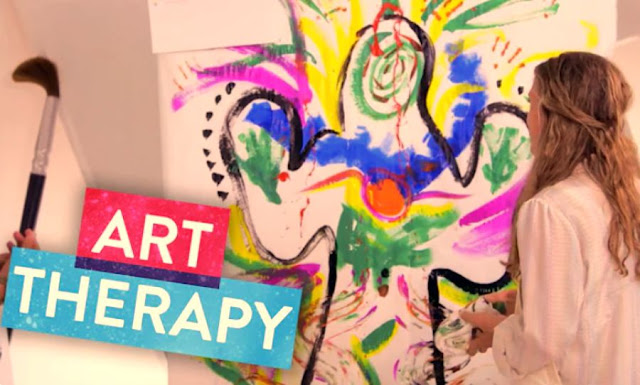
A Different Way to Heal: Exploring the Role of Art Therapy in Addiction and Mental Health Treatment

Healing from addiction and mental health challenges does not always begin with finding the right words. For some people, talking about painful experiences, overwhelming emotions, or years of substance use can feel difficult, especially when they are still trying to understand what they have been through. Art therapy offers another way to begin that process. Through drawing, painting, collage, and other creative activities, individuals can explore their emotions, develop healthier coping strategies, and reconnect with themselves. When incorporated into a personalized treatment plan, art therapy can complement addiction recovery and mental health care by making space for expression, reflection, and personal growth.

Recovery is a deeply personal experience. While clinical treatment, counseling, and other evidence-based approaches remain essential, creative activities can provide additional opportunities to understand emotional patterns and practice healthier responses to everyday challenges. For people who struggle to communicate through conversation alone, this different approach may offer a valuable starting point.

What Is Art Therapy, and How Does It Support Recovery?

Art therapy is a therapeutic approach that uses creative processes to support emotional expression, self-awareness, and psychological well-being. When provided by a qualified art therapist, it involves more than simply making art. The process is guided by therapeutic goals and adapted to the individual’s needs.

In addiction and mental health treatment, art therapy may help people explore feelings connected to stress, grief, trauma, anxiety, depression, relationships, and changes in identity.

The finished artwork is not the main measure of success. Instead, the value often lies in the experience of creating, reflecting, and discovering new ways to understand personal experiences.

Why Creative Expression Can Make a Difference

People experiencing addiction or mental health challenges may have difficulty identifying or communicating their emotions. Shame, fear, frustration, and emotional exhaustion can make honest conversations feel intimidating.

Creative activities provide another way to begin expressing those feelings. Someone might use colors to represent anxiety, draw a picture reflecting a difficult day, or create a collage showing what they hope life will look like in recovery.

These activities can encourage reflection without requiring someone to explain everything immediately. With appropriate therapeutic guidance, the process may help individuals recognize emotions and discuss experiences at a pace that feels manageable.

The Role of Art Therapy in Addiction Treatment

Addiction can affect relationships, confidence, decision making, and emotional health. Although substance use may initially seem to relieve distress, relying on substances to manage difficult feelings can create additional problems over time.

Successful recovery involves developing healthier ways to respond to those feelings.

Developing Healthier Coping Strategies

Stress, loneliness, conflict, and disappointment can become difficult to manage without effective coping skills. Art therapy can introduce creative activities as one option for handling emotional discomfort.

For example, someone might draw when feeling overwhelmed, create a visual journal to reflect on recurring emotions, or use a structured art exercise to explore responses to stressful situations.

These practices can encourage people to pause and reflect rather than react automatically. Over time, they may become part of a broader collection of healthy coping strategies that also includes counseling, physical activity, peer support, and relaxation techniques.

Rebuilding Confidence and Personal Identity

Addiction can cause people to lose confidence in their abilities and feel defined by their past experiences. Rebuilding a sense of identity is therefore an important part of recovery.

Creative projects can provide opportunities to make choices, experiment, solve problems, and complete meaningful tasks. These experiences may reinforce a sense of accomplishment and personal agency.

Art can also help individuals explore interests, values, goals, and hopes that extend beyond substance use. This process can support the development of an identity centered on personal strengths and future possibilities.

How Art Therapy Supports Mental Health

Addiction and mental health concerns frequently overlap. A person may experience anxiety, depression, trauma-related symptoms, or persistent stress alongside substance use challenges. Treating these concerns together is important because emotional difficulties can influence recovery, while substance use can also complicate mental health.

Art therapy may complement professional mental health treatment by offering another way to explore thoughts and feelings.

Managing Stress and Anxiety

Creative activities can encourage focused attention on the present moment. Concentrating on colors, patterns, textures, or simple drawing exercises may help some individuals step back from repetitive thoughts and daily pressures.

For example, a person experiencing stress could spend several minutes drawing shapes or coloring a pattern while paying attention to their breathing and physical tension.

Although creative activities do not work the same way for everyone, they can become a useful part of a personal stress management routine.

Exploring Difficult Emotions Safely

Some emotional experiences are difficult to explain, particularly when they involve loss, shame, or painful memories. Creative expression can offer a starting point for examining these feelings.

A qualified therapist can help individuals reflect on what an artwork represents without forcing a particular interpretation. The individual remains in control of what they choose to share.

When trauma is involved, it is especially important to work at an appropriate pace. Creative activities should support a sense of safety and choice rather than pressure someone to revisit distressing experiences before they are ready.

Art Therapy and Holistic Addiction Recovery

A holistic approach to recovery recognizes that lasting wellness involves more than addressing substance use alone. Emotional health, physical well-being, relationships, personal values, and meaningful daily activities can all influence how someone experiences recovery.

Art therapy may complement this broader approach by encouraging self-reflection, creativity, and emotional awareness.

Supporting Inpatient and Outpatient Treatment

Creative approaches may be incorporated into different levels of care when appropriate for the individual’s treatment plan.

In inpatient treatment, structured creative activities can complement counseling, group sessions, and other clinical services. They may provide opportunities for reflection and healthy engagement within a supportive setting.

In outpatient treatment, individuals may use creative practices as part of their ongoing wellness routines. Visual journaling, drawing, or other activities can offer opportunities to reflect between appointments and practice skills learned during therapy.

The specific role of art therapy depends on clinical needs, treatment goals, and the recommendations of qualified professionals.

Respecting Individual Values and Faith

Recovery should reflect the individual’s beliefs, preferences, and goals. For people who value spirituality or faith, creative activities may provide a way to explore gratitude, hope, forgiveness, purpose, or spiritual growth.

Others may prefer to focus on relationships, personal development, or creative interests. Neither approach needs to be forced. The purpose of individualized care is to identify supportive practices that make sense for the person receiving treatment.

Practical Ways to Explore Creativity During Recovery

Creative expression does not require expensive supplies or professional artistic skills. Simple activities can provide opportunities for reflection and healthy engagement.

Consider these ideas:

1. Keep a visual journal. Combine short written reflections with drawings, colors, or symbols that represent your emotions and experiences. Over time, reviewing your entries may help you notice patterns in your mood and stress levels.

2. Create a personal strengths collage. Use images and words to represent qualities you want to develop, relationships that support you, and goals that matter to you. Keep the collage somewhere you can revisit when motivation feels low.

3. Draw your stress. When you feel overwhelmed, use shapes, lines, and colors to represent what you are experiencing. Afterwards, consider what might help you respond to the situation in a healthier way.

4. Make something without judging the result. Try painting, sketching, or creating a simple collage without worrying about whether it looks good. Focus on the activity itself rather than perfection.

5. Discuss your experience with a professional. If creative work brings up strong emotions, consider exploring those reactions with a therapist. Professional guidance can help you understand the experience and determine whether the activity supports your recovery goals.

These exercises can complement treatment, but they are not substitutes for professional art therapy or comprehensive addiction and mental health care.

Choosing a Treatment Approach That Fits Your Needs

No single therapeutic approach works for everyone. Some people benefit most from individual counseling, while others respond well to group support, structured treatment programs, creative activities, or a combination of services.

The important consideration is whether the overall treatment plan addresses the person’s specific challenges and goals.

When exploring treatment options, consider asking providers:

  • What evidence-based services are available for addiction and mental health concerns?
  • Can creative or expressive therapies be incorporated when appropriate?
  • How are treatment goals adapted to individual needs?
  • What support is available for managing stress, cravings, and emotional difficulties?
  • How does the program prepare individuals for continued recovery after intensive treatment?

These questions can help you understand how a program approaches whole-person care and whether its services align with your needs.

A Different Way to Begin Healing

Art therapy offers an alternative way to explore emotions, develop coping skills, and reconnect with personal strengths during addiction recovery and mental health treatment. For individuals who find traditional conversation challenging, creative expression may provide an accessible starting point for reflection and communication.

However, lasting recovery requires appropriate support, consistent effort, and a treatment plan that addresses the full range of an individual’s needs. Art therapy can complement evidence-based care, but it should not replace necessary medical treatment, counseling, or other recommended services.

You do not have to be an artist to explore the benefits of creativity. What matters is finding healthy ways to understand your experiences, manage difficult emotions, and build a life that supports your well-being.

If you or someone you care about is struggling with addiction or mental health challenges, consider reaching out to a qualified treatment professional. With individualized guidance and the right combination of services, a different way of healing may help you take meaningful steps toward greater stability, renewed confidence, and lasting recovery.

From Expression to Empowerment: How Art Therapy Can Build Coping Skills and Resilience in Recovery

Recovery from addiction is about much more than putting substance use behind you. It involves learning how to handle stress, process difficult emotions, respond to setbacks, and make healthy choices when life becomes challenging. For many people, those skills take time to develop. Art therapy can provide a practical and engaging way to strengthen them. Through drawing, painting, collage, sculpture, and other forms of creative expression, individuals can practice emotional regulation, problem solving, self-reflection, and persistence in a supportive treatment environment.

Art therapy does not replace addiction treatment, counseling, medication when appropriate, or other evidence-based services. Instead, it can complement professional care by giving people another way to work through emotions and develop healthier responses. When incorporated into an individualized recovery plan, creative activities can help turn self-expression into greater confidence and resilience.

Why Coping Skills Matter in Addiction Recovery

People in recovery eventually face stress, disappointment, conflict, cravings, and unexpected changes. Without healthy coping strategies, these experiences can increase the risk of returning to old behaviors.

Coping skills provide alternatives.

A person might learn to pause before reacting, communicate a difficult feeling, seek support, practice relaxation, or redirect their attention toward a constructive activity. The more strategies someone has available, the less dependent they may feel on a single response to stress.

Art therapy can contribute to this coping toolkit by making emotional practice more accessible and concrete.

Creativity Creates Space Between Emotion and Reaction

Strong emotions can feel immediate. Anger may create an urge to act. Anxiety may trigger avoidance. Sadness may lead someone to isolate.

Creative activities can introduce a pause.

Spending time drawing, painting, coloring, or working with another medium gives a person something constructive to focus on while emotions are present. The objective is not to suppress difficult feelings. Instead, the activity can create room to observe those feelings without immediately acting on them.

That pause can become an important recovery skill.

How Art Therapy Can Build Resilience

Resilience does not mean never struggling. It means developing the ability to respond to challenges, recover after setbacks, and continue working toward meaningful goals.

Creative work naturally provides opportunities to practice these abilities.

Learning to Work Through Frustration

A creative project rarely develops exactly as planned. A color may look different than expected. A drawing may need to be changed. A project may require several attempts.

These small frustrations can become opportunities to practice flexibility.

Instead of giving up when something goes wrong, a person can experiment with another approach. Over time, this can reinforce an important recovery lesson: a setback does not have to determine the final outcome.

Building Confidence Through Small Accomplishments

Addiction can affect self-esteem and leave people questioning their ability to make positive changes.

Creative activities offer opportunities for achievable accomplishments. Finishing a drawing, completing a project, learning a new technique, or simply spending time engaged in a healthy activity can reinforce a sense of capability.

Those experiences may seem small, but recovery is often built through repeated small choices.

As confidence grows, individuals may become more willing to apply the same persistence to other areas of life.

Art Therapy Can Strengthen Emotional Regulation

Emotional regulation is an important part of long-term recovery. People need ways to recognize emotions, understand what triggers them, and respond without allowing those emotions to control their decisions.

Art can help make internal experiences easier to examine.

Turning Feelings Into Something You Can See

An individual might create an image representing anxiety, anger, grief, hope, or loneliness. Seeing an emotion represented outside of themselves can create psychological distance and make reflection easier.

A therapist can then help explore questions such as:

  • What was happening when this feeling appeared?
  • Where do you notice this emotion in your body?
  • What thoughts are connected to it?
  • What helps you feel safer or more grounded?
  • What could you do differently the next time this emotion becomes intense?

This process can connect creative expression with practical recovery skills.

Creativity Can Help With Relapse Prevention

Relapse prevention involves identifying risks and developing strategies for handling them before they become overwhelming.

Art therapy can support this work without turning creative activities into a substitute for a structured relapse prevention plan.

Visualizing Triggers and Healthy Responses

A person could create a visual representation of common triggers and then add healthy responses around them. For example, a stressful work situation might be connected to calling a trusted person, taking a walk, attending a support meeting, practicing breathing exercises, or talking with a counselor.

Creating this type of visual map can make an otherwise abstract plan easier to remember.

The exercise can also reinforce the idea that a trigger is not a command. There can be several choices between experiencing an urge and acting on it.

Art Therapy Encourages Problem Solving

Recovery requires ongoing decision making. People may need to determine how to handle difficult relationships, establish boundaries, manage schedules, repair trust, or respond to stressful circumstances.

Creative projects can provide a low-risk environment for practicing flexible thinking.

There Is Often More Than One Solution

When a creative project does not work as expected, there are usually several options. A person can modify it, start again, incorporate the mistake, or approach the project differently.

This can reinforce a valuable mindset for recovery: problems do not always have one perfect solution.

Learning to tolerate uncertainty and experiment with alternatives can help individuals become more comfortable with change.

Art Therapy Fits Into an Individualized Approach

Effective addiction and mental health treatment should account for the individual rather than assuming one approach works for everyone.

Some people communicate easily through conversation. Others need more time or benefit from additional forms of expression. Creative approaches can provide another pathway for participation.

Inpatient and Outpatient Care

In an inpatient setting, structured creative activities may complement counseling, group work, behavioral health services, and other forms of treatment. They can provide healthy opportunities for reflection and emotional processing within a supervised environment.

In outpatient treatment, creative practices may become part of an ongoing routine. A person might use a visual journal, drawing exercises, or other creative activities between appointments as one component of a broader wellness plan.

The appropriate role of art therapy depends on the individual’s goals, clinical needs, and treatment recommendations.

Combining Creative Expression With Holistic Recovery

A holistic approach recognizes that recovery can involve emotional, physical, social, relational, and spiritual well-being.

Creative expression can fit naturally within that broader perspective.

For someone who draws strength from faith, creative work might include themes of gratitude, prayer, forgiveness, hope, purpose, or personal values. For another individual, creativity may be a way to reconnect with nature, relationships, personal interests, or future goals.

What matters is that the activity supports the person’s own recovery priorities rather than imposing a particular meaning on their experience.

Practical Creative Exercises for Recovery

You do not need advanced artistic abilities to use creativity as a healthy coping tool.

Try a Five-Minute Stress Drawing

Set aside five minutes and draw whatever comes to mind. Focus on movement, shapes, and colors rather than creating a finished picture. When finished, take a moment to notice how your emotional state has changed.

Create a Resilience Timeline

Draw a timeline representing meaningful challenges you have already survived. Add moments when you asked for help, made a healthy decision, or continued despite difficulty.

This can serve as a visual reminder that you have already developed strengths that can support future recovery.

Make a Coping Skills Collage

Use words, photographs, colors, or drawings to represent healthy activities and people that help you stay grounded. Keep the finished piece somewhere accessible as a reminder of your recovery resources.

Draw Two Possible Paths

Represent a difficult situation with two possible responses. One path can show an old, unhealthy reaction. The other can represent the healthier response you want to practice.

The exercise encourages reflection without requiring immediate perfection.

From Creativity to Greater Empowerment

The value of art therapy in addiction recovery is not simply that it gives people something to do. Its deeper value can come from the skills practiced through the creative process.

Creating can teach patience. Revising can teach flexibility. Expressing emotions can improve self-awareness. Completing projects can strengthen confidence. Working through frustration can build persistence.

Together, these experiences can contribute to resilience.

At the same time, recovery requires comprehensive support. Art therapy should be considered one possible component of a personalized treatment plan, alongside appropriate addiction treatment, mental health services, counseling, peer support, medical care, and continuing recovery resources.

A Stronger Recovery Can Start With One Healthy Expression

Everyone experiences difficult emotions, but not everyone has learned healthy ways to express and manage them. For people recovering from addiction, developing those skills can make an important difference in how they respond to stress and setbacks.

Art therapy offers a different way to practice.

You do not need to be talented. You do not need to create something beautiful. What matters is being willing to use creativity as a tool for reflection, emotional awareness, healthy coping, and personal growth.

With individualized professional support, creative expression can become more than an activity. It can help individuals recognize their strengths, practice healthier responses, and rebuild confidence one choice at a time.

If addiction or mental health challenges are making everyday life difficult, reaching out for professional help is an important first step. A personalized treatment program can help identify the approaches that fit your needs and provide the support necessary to build lasting coping skills, resilience, and a healthier future.