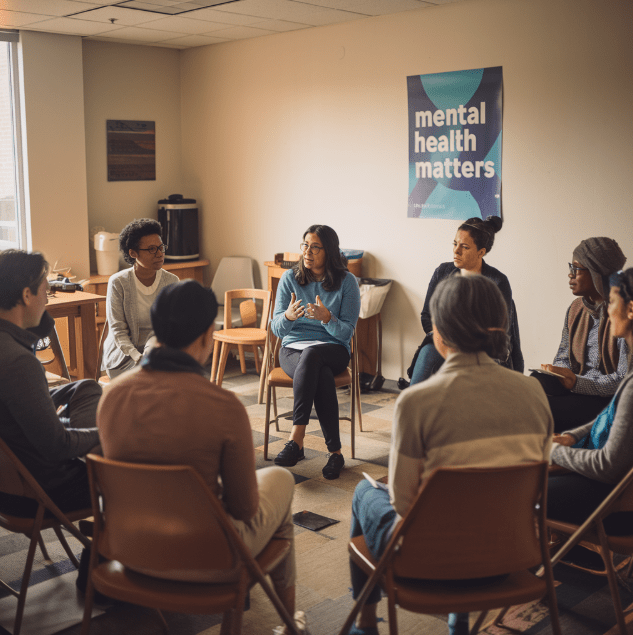
For many people facing addiction, trauma, anxiety, depression, or other mental health challenges, finding the right words to describe what is happening inside can feel nearly impossible. Art therapy offers another way to communicate. Through drawing, painting, collage, color, movement, and other creative activities, people can begin expressing emotions that may be difficult to explain in conversation. When thoughtfully integrated into addiction recovery and mental health treatment, creative expression can support emotional awareness, healthy coping skills, confidence, and a stronger sense of self.
Recovery is not only about stopping substance use. It also involves understanding emotions, addressing underlying challenges, developing healthier responses to stress, and rebuilding a meaningful life. Art therapy can become one part of that process by giving individuals a safe and structured way to explore what they are feeling while working alongside professional treatment.
Why Finding Your Voice Matters in Recovery
Addiction can affect how people understand themselves and communicate with others. Shame, fear, anger, grief, anxiety, and unresolved trauma may make honest communication especially difficult.
Some people have spent years hiding painful emotions or avoiding difficult conversations. Others may know they are struggling but cannot find the words to explain why. This can create frustration and isolation.
Creative expression provides another starting point.
Instead of being asked to explain an emotion immediately, a person might be invited to represent it through color, shapes, images, or symbols. That process can create an opportunity to notice feelings and discuss them at a manageable pace.
Art Can Make Difficult Emotions More Visible
A drawing does not need to be technically impressive to have meaning. A person might use dark colors to represent sadness, create an image of a difficult memory, or make an abstract piece that reflects confusion or anger.
The goal is not artistic perfection. The goal is exploration.
With appropriate professional guidance, discussing the creative process can help someone recognize emotional patterns, identify sources of stress, and begin putting language around experiences that previously felt overwhelming.
How Art Therapy Supports Mental Health
Mental health and substance use concerns often overlap. Anxiety, depression, trauma, stress, and other challenges can influence substance use, while prolonged substance use can also make emotional and psychological difficulties harder to manage.
A personalized treatment plan may therefore include several forms of support. Art therapy can complement counseling and other clinical services by engaging people in a different way.
Building Emotional Awareness
Recovery requires people to become more aware of what they are experiencing internally.
Creative activities can encourage individuals to slow down and pay attention to emotions rather than immediately reacting to them. Over time, this awareness may make it easier to recognize feelings such as frustration, loneliness, fear, or sadness before they lead to unhealthy coping behaviors.
Strengthening Healthy Coping Skills
Stress is an important consideration in long-term recovery. When difficult emotions arise, people need practical alternatives to substance use or other harmful behaviors.
Creative activities can become one healthy coping option. Spending time drawing, painting, journaling visually, creating collages, or working with other artistic materials may provide a constructive way to pause and process emotions.
These activities should not replace professional care. Instead, they can become part of a broader collection of coping strategies developed during treatment.
Rebuilding Confidence
Addiction can damage a person’s confidence and sense of identity. Someone may begin to see themselves primarily through the lens of their substance use, past mistakes, or mental health struggles.
Creating something can provide a different experience.
Completing a piece of artwork, experimenting with a new technique, or simply making a personal creative choice can reinforce a sense of ability and independence. Small experiences of accomplishment can matter when someone is working to rebuild confidence during recovery.
Art Therapy Can Support a More Personalized Recovery Experience
No two recovery journeys are exactly alike. People have different histories, personalities, communication styles, cultural backgrounds, strengths, and treatment needs.
That is why individualized care matters.
Some people respond well to traditional talk therapy, while others may benefit from having additional ways to process experiences. Art therapy can offer another avenue for engagement without requiring someone to have previous artistic experience.
Inpatient and Outpatient Treatment
Creative approaches can potentially be incorporated into different levels of care depending on an individual’s treatment plan.
In an inpatient setting, structured creative activities may provide opportunities for reflection, emotional expression, and healthy recreation while a person receives intensive support.
In outpatient care, creative practices can become part of a person’s ongoing wellness routine. Someone might continue using art as a way to manage stress, reflect on progress, or express emotions between counseling sessions.
The specific approach should always be determined according to the individual’s needs and professional recommendations.
Art Therapy and Trauma-Informed Recovery
Trauma can have a significant impact on emotional regulation, relationships, self-image, and coping behaviors. For some people, talking about painful experiences directly can feel overwhelming, particularly early in treatment.
Creative expression may provide an indirect way to begin exploring difficult experiences.
However, trauma-related creative work should be approached carefully. Art should never be used to pressure someone into revealing painful memories before they are ready. A trauma-informed approach emphasizes safety, choice, appropriate pacing, and professional support.
Creating Without Judgment
One of the most valuable aspects of creative work can be the freedom to create without worrying about whether the result is good enough.
There is no requirement to produce a beautiful painting or technically perfect drawing. The emphasis can instead be placed on the experience of creating and what the individual learns about themselves through it.
This can be especially meaningful for people who have become highly self-critical during addiction or mental health struggles.
Practical Ways to Use Creativity During Recovery
Creative expression does not have to require expensive supplies or advanced skills. Simple activities can become useful additions to a healthy recovery routine.
Consider:
Create an Emotion Map
Choose several emotions you have experienced during the week. Represent each one using colors, shapes, symbols, or images. Afterwards, reflect on what situations were connected to those emotions.
Make a Recovery Vision Board
Collect words, photographs, drawings, or other images that represent the life you want to build in recovery. Include healthy relationships, personal goals, meaningful activities, spiritual values, or places that represent hope.
Keep a Visual Recovery Journal
Instead of writing every entry, combine short notes with drawings, colors, photographs, or symbols. This can create a visual record of changing emotions and personal progress.
Use Creativity During Stress
When stress begins building, spend a few minutes drawing patterns, coloring, painting, or working with another creative medium. The purpose is not to eliminate the emotion immediately. It is to create space before reacting.
Creativity Can Work Alongside Holistic and Faith-Based Care
Recovery often involves more than addressing substance use alone. A holistic approach may consider emotional, physical, social, relational, and spiritual dimensions of wellness.
For individuals who value faith, creative expression can also be incorporated into personal spiritual practices when appropriate. Someone might create artwork inspired by Scripture, gratitude, prayer, personal values, or their understanding of hope and renewal.
The important principle is that treatment should respect the individual’s beliefs, preferences, and goals.
Finding Your Voice Is Part of Rebuilding Your Life
Recovery involves learning to communicate needs, establish boundaries, manage emotions, repair relationships, and make healthier decisions. Finding a personal voice can therefore become an important part of long-term wellness.
Art therapy is not a cure for addiction, and creative activities should not replace evidence-based addiction or mental health treatment. Instead, art therapy can complement professional care by giving individuals another meaningful way to express themselves, develop coping skills, and better understand their emotional experiences.
For someone who has spent years feeling unheard, disconnected, or unable to explain what is happening inside, creativity can offer a starting point.
You do not have to be an artist to benefit from creative expression. You simply need a willingness to explore, reflect, and take one step toward understanding yourself more clearly. With individualized support and the right treatment environment, finding your voice can become part of building a healthier and more hopeful future.
If addiction, trauma, or mental health challenges are affecting your life, consider reaching out for professional support. The right treatment plan can address your individual needs while helping you discover healthy ways to express emotions, strengthen coping skills, and move forward in recovery.


