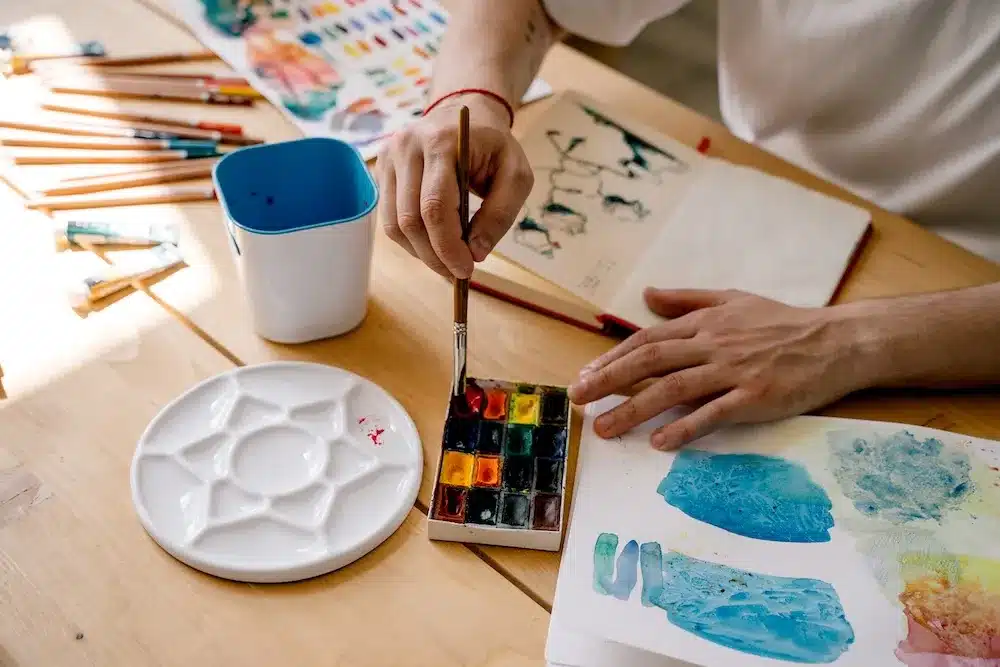
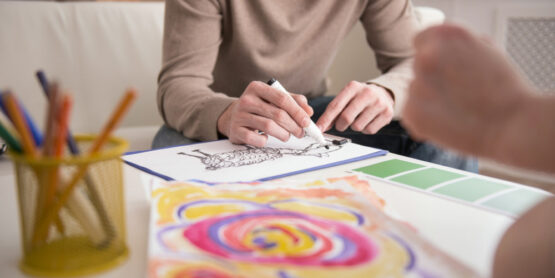
Why Creativity Heals: Art Therapy as a Path to Stability, Resilience, and Recovery

Recovery from addiction and mental health challenges is about more than overcoming substance use or managing symptoms. It is about creating a healthier life built on emotional stability, personal resilience, and renewed purpose. While counseling, medical care, and evidence-based therapies provide the foundation for successful treatment, healing often becomes even more meaningful when individuals have opportunities to express themselves in new ways. Art therapy is one of the most effective holistic approaches for supporting this transformation. At Keweenaw Krayons, art therapy is thoughtfully integrated into individualized, faith-based, inpatient, and outpatient treatment programs to help clients discover lasting recovery through creativity, self-expression, and emotional growth.

Why Creativity Is an Important Part of Healing

Creativity has always been a natural way for people to process experiences, express emotions, and find meaning during difficult times. In recovery, creative activities offer much more than relaxation. They become valuable therapeutic tools that help individuals reconnect with themselves after the emotional impact of addiction, trauma, and mental health struggles.

Art therapy provides a safe environment where clients can explore thoughts and feelings without worrying about finding the right words. Instead of focusing on artistic skill, the emphasis is placed on personal expression, reflection, and healing.

Healing Beyond Conversation

Many individuals entering treatment carry emotions they have buried for years. Feelings such as shame, grief, fear, guilt, or anger can be difficult to explain during traditional therapy sessions.

Creative expression allows those emotions to surface naturally. Through painting, drawing, sculpting, or mixed media projects, clients often discover insights that lead to deeper emotional understanding and more productive therapeutic conversations.

Building Emotional Stability Through Art Therapy

Stability is one of the most important goals of long-term recovery. Individuals who develop healthy ways to manage stress and emotions are often better equipped to maintain sobriety and protect their mental wellness.

Creating Healthy Emotional Outlets

Substance use frequently develops as a way to escape emotional pain or overwhelming stress. Recovery involves replacing those harmful coping mechanisms with healthier alternatives.

Art therapy gives clients a constructive outlet for expressing difficult emotions. Rather than suppressing feelings or reacting impulsively, individuals learn to acknowledge, explore, and process them in a supportive environment.

Reducing Stress and Anxiety

Creative activities naturally encourage mindfulness. As clients focus on colors, textures, and artistic choices, they become more present in the moment.

This focused attention often reduces anxious thinking, lowers stress levels, and promotes a greater sense of calm. These benefits can be especially valuable during the early stages of recovery when emotional regulation is still developing.

How Art Therapy Strengthens Resilience

Resilience is the ability to adapt, recover, and continue moving forward despite life’s challenges. Developing resilience is essential for maintaining long-term recovery from addiction and managing mental health conditions.

Learning Through the Creative Process

Creating artwork involves experimentation, patience, and problem-solving. Not every project develops exactly as planned, yet each challenge becomes an opportunity to adapt and continue.

This mirrors the recovery process itself. Clients begin to understand that setbacks do not define them. Instead, they learn that growth often comes through persistence, flexibility, and self-compassion.

Rebuilding Confidence

Addiction often damages self-esteem and creates feelings of failure or hopelessness. Completing creative projects gives individuals tangible evidence of their progress and abilities.

Each accomplishment reinforces confidence and reminds clients that they are capable of creating positive change in their lives.

Supporting Trauma Recovery and Mental Wellness

Many people receiving addiction treatment have experienced trauma, anxiety, depression, or chronic stress. Art therapy provides meaningful support for these challenges while complementing traditional clinical care.

Processing Trauma Safely

Traumatic experiences are not always easy to describe. Art therapy allows clients to express painful memories through images and symbols rather than detailed verbal discussions.

This gentle approach helps reduce emotional overwhelm while allowing healing to unfold at a comfortable pace.

Improving Self-Awareness

Mental wellness depends on recognizing thoughts, emotions, and behavioral patterns. Creative expression encourages reflection and insight, helping clients identify emotional triggers and healthier responses.

As self-awareness grows, individuals become better equipped to make positive decisions that support lasting recovery.

Integrating Art Therapy Into Comprehensive Treatment

At Keweenaw Krayons, art therapy is an important part of a comprehensive treatment model that supports clients throughout every stage of recovery.

Inpatient Programs

During inpatient treatment, clients participate in structured art therapy sessions alongside individual counseling, group therapy, and other evidence-based services. These creative experiences help reduce stress while encouraging emotional exploration and personal growth.

Outpatient Programs

Outpatient treatment allows clients to continue strengthening recovery skills while managing work, family, and community responsibilities. Art therapy remains a valuable resource for maintaining emotional balance and practicing healthy coping strategies in everyday life.

Individualized and Faith Based Care

No two recovery journeys are identical. Keweenaw Krayons develops personalized treatment plans that address each client’s unique needs, goals, and life experiences.

By combining evidence-informed therapies with holistic care and faith-based support, clients receive comprehensive treatment that nurtures emotional, physical, mental, and spiritual well-being.

Creating a Foundation for Lasting Recovery

Recovery is not simply about avoiding substances. It is about creating a fulfilling life that supports emotional health, meaningful relationships, and personal purpose.

Art therapy helps individuals build this foundation by strengthening emotional resilience, encouraging self-discovery, and promoting healthy ways to manage life’s challenges. These skills continue supporting recovery long after formal treatment has ended.

Take the First Step Toward Creative Healing

Healing is possible when individuals receive compassionate care that addresses every aspect of their well-being. Art therapy offers a powerful opportunity to transform emotional pain into personal growth while building the stability and resilience needed for long-term recovery.

At Keweenaw Krayons, our dedicated team provides individualized inpatient and outpatient addiction recovery and mental health treatment through holistic, faith-based care. We believe every person has the capacity to heal, grow, and create a brighter future.

If you or someone you love is ready to begin the journey toward lasting recovery, contact Keweenaw Krayons today. Together, we can help you discover how creativity can become a powerful path to healing, resilience, and lifelong wellness.

From Chaos to Calm: The Healing Power of Art Therapy in Holistic Addiction Treatment

Addiction often brings chaos into every area of a person’s life. Relationships become strained, emotions feel overwhelming, and daily routines may be replaced by cycles of substance use, guilt, and uncertainty. Recovery is about much more than achieving sobriety. It is about restoring peace, rebuilding confidence, and learning healthier ways to navigate life’s challenges. While evidence-based therapies remain the foundation of successful treatment, holistic approaches can deepen the healing process. One of the most effective complementary therapies is art therapy. At Keweenaw Krayons, art therapy is integrated into individualized, faith-based, inpatient, and outpatient treatment programs to help clients move from emotional chaos to lasting calm.

Why Holistic Addiction Treatment Matters

Substance use disorders affect far more than physical health. They impact emotional well-being, mental health, relationships, spiritual wellness, and self-esteem. Treating only the addiction without addressing these underlying areas often leaves individuals vulnerable to relapse.

A holistic approach recognizes that lasting recovery requires healing the whole person. Alongside counseling, medical care, and relapse prevention strategies, therapies such as art therapy help clients process emotions, develop resilience, and rediscover a sense of purpose.

Looking Beyond the Symptoms

Many people begin using substances to cope with unresolved trauma, chronic stress, anxiety, depression, or emotional pain. If these underlying issues remain untreated, recovery becomes much more difficult.

Holistic treatment creates opportunities to explore these deeper challenges while helping clients develop healthier coping skills that support long-term wellness.

What Is Art Therapy?

Art therapy is a clinically guided therapeutic approach that uses creative activities such as drawing, painting, collage, and sculpting to support emotional and psychological healing. It is not an art class, and artistic experience is never required.

Instead, art therapy focuses on the creative process itself. Through guided expression, individuals can communicate emotions, explore personal experiences, and gain insight into their recovery journey.

Creativity as a Form of Healing

Many emotions connected to addiction and trauma are difficult to describe with words alone. Creative expression offers another way to communicate these experiences.

Using color, imagery, and symbolism, clients often discover thoughts and feelings they did not realize they were carrying. These discoveries become valuable starting points for deeper therapeutic conversations.

Moving From Emotional Chaos to Inner Calm

One of the greatest benefits of art therapy is its ability to reduce emotional overwhelm while promoting mindfulness and self-awareness.

Calming the Mind During Recovery

Recovery can bring intense emotions as individuals adjust to life without substances. Anxiety, fear, frustration, and uncertainty are common, particularly during the early stages of treatment.

The creative process naturally encourages focus and concentration. As clients become immersed in creating artwork, racing thoughts begin to slow, and the nervous system often responds with a greater sense of calm.

Supporting Healthy Emotional Regulation

Many individuals entering treatment have relied on substances to manage difficult emotions. Art therapy introduces healthier ways to cope.

Instead of avoiding emotional discomfort, clients learn to acknowledge, express, and process their feelings in a supportive environment. Over time, this strengthens emotional regulation and reduces reliance on unhealthy coping mechanisms.

How Art Therapy Supports Trauma Recovery

Trauma frequently plays a significant role in addiction and mental health disorders. Healing from trauma requires approaches that feel safe, compassionate, and individualized.

Expressing Difficult Experiences Safely

Not every painful experience can be easily explained. Some memories remain fragmented or emotionally overwhelming.

Art therapy allows clients to represent those experiences through images, colors, and symbols instead of detailed verbal descriptions. This creates emotional safety while still supporting meaningful healing.

Rebuilding Confidence and Identity

Addiction often leaves people questioning their worth and identity. Completing creative projects can help restore confidence by allowing clients to experience success, creativity, and personal accomplishment.

Each artwork becomes a reminder that growth is possible and that healing is taking place, even when progress feels gradual.

Integrating Art Therapy Into Inpatient and Outpatient Care

At Keweenaw Krayons, art therapy is woven into comprehensive treatment plans that support recovery at every stage.

Inpatient Treatment and Intensive Healing

Inpatient care provides a structured environment where clients can fully focus on recovery. Art therapy complements individual counseling, group therapy, and medical support by offering another avenue for emotional expression.

These sessions encourage self-reflection while helping clients manage the emotional demands of early recovery.

Outpatient Programs and Continued Growth

Recovery continues well beyond residential treatment. Outpatient care helps individuals apply new coping skills while returning to everyday responsibilities.

Art therapy remains a valuable part of this process by providing practical techniques for managing stress, maintaining emotional balance, and preventing relapse.

A Personalized and Faith Based Approach to Recovery

Every recovery journey is unique. Keweenaw Krayons develops individualized treatment plans that reflect each client’s history, strengths, and personal goals.

For many individuals, faith also becomes an important source of healing and hope. By integrating faith-based support with evidence-informed therapies and holistic care, clients receive treatment that nurtures emotional, mental, physical, and spiritual well-being.

Art therapy fits naturally within this personalized model because it allows each person to explore healing in ways that feel authentic and meaningful.

The Lasting Benefits of Creative Healing

The skills developed through art therapy extend far beyond the treatment setting. Clients often leave with healthier coping strategies, greater emotional awareness, improved stress management, and renewed confidence.

Creative expression can become a lifelong wellness practice that supports continued personal growth, emotional resilience, and recovery maintenance.

Most importantly, individuals learn that healing is not simply about leaving addiction behind. It is about creating a life filled with purpose, balance, connection, and hope.

Begin Your Journey From Chaos to Calm

Recovery is possible, and lasting healing begins with compassionate care that addresses the whole person. Art therapy offers a unique opportunity to process emotions, reduce stress, strengthen resilience, and build a healthier future through creativity.

At Keweenaw Krayons, our dedicated team provides individualized inpatient and outpatient addiction recovery and mental health treatment rooted in holistic and faith-based care. We are committed to helping every client discover the tools they need for lasting wellness.

If you or someone you love is ready to begin the journey from chaos to calm, reach out to Keweenaw Krayons today. With the right support, healing can become more than a goal. It can become a new way of life.

Creative Healing in Action: Why Art Therapy Supports Trauma Recovery and Mental Wellness

Trauma, addiction, and mental health challenges often leave individuals feeling disconnected from themselves and others. While traditional counseling remains a critical part of treatment, healing is not always achieved through conversation alone. Many people carry emotional wounds that are difficult to explain, revisit, or even fully understand. This is where art therapy becomes a powerful tool for recovery. At Keweenaw Krayons, art therapy is incorporated into holistic, faith-based, and individualized treatment programs to help clients process trauma, strengthen emotional wellness, and build a foundation for lasting recovery. Through creative expression, individuals can discover new ways to heal, grow, and reconnect with hope.

Understanding the Connection Between Trauma and Mental Health

Trauma affects more than memories. It influences how individuals think, feel, and respond to the world around them. Whether trauma stems from childhood experiences, loss, abuse, chronic stress, or addiction itself, its effects can persist long after the event has passed.

Many people struggling with addiction or mental health conditions are also coping with unresolved trauma. Anxiety, depression, low self-esteem, emotional numbness, and substance use often develop as ways to manage overwhelming emotions.

Why Trauma Can Be Difficult to Talk About

One of the challenges of trauma recovery is that painful experiences are not always easy to put into words. Some memories may feel fragmented, while others trigger intense emotional reactions.

As a result, individuals may struggle to communicate what they are feeling during therapy sessions. This does not mean healing is impossible. It simply means additional therapeutic approaches can be valuable.

What Is Art Therapy?

Art therapy is a clinically guided therapeutic practice that uses creative activities such as drawing, painting, sculpting, and mixed media projects to support emotional and psychological healing.

The focus is not on artistic talent or creating a perfect piece of artwork. Instead, the goal is to use creativity as a pathway for self-expression, emotional exploration, and personal growth.

A Safe Alternative to Verbal Expression

Art provides a different language for healing. Through images, colors, and symbols, individuals can express emotions that may be difficult to communicate verbally.

This creative process often reveals thoughts and feelings that might otherwise remain hidden. Therapists can then help clients explore these insights in a supportive and structured environment.

How Art Therapy Supports Trauma Recovery

Art therapy is particularly effective in trauma recovery because it allows individuals to process difficult experiences gradually and safely.

Reducing Emotional Overwhelm

Directly discussing traumatic experiences can sometimes feel overwhelming. Art therapy offers a gentler approach by allowing clients to express emotions symbolically rather than through detailed verbal descriptions.

This creates emotional distance while still encouraging meaningful exploration and healing.

Helping the Brain Process Trauma

Trauma can affect how the brain stores and processes memories. Creative expression engages multiple areas of the brain, including those involved in emotion, memory, sensory awareness, and problem-solving.

By activating these areas simultaneously, art therapy supports emotional integration and helps individuals make sense of their experiences in a healthier way.

Rebuilding a Sense of Safety

Trauma often leaves people feeling vulnerable and out of control. The creative process can help restore a sense of agency by allowing individuals to make choices, solve problems, and express themselves freely.

These experiences contribute to emotional stability and increased confidence during recovery.

Supporting Mental Wellness Through Creativity

Art therapy is not only beneficial for trauma recovery. It also supports overall mental wellness by helping individuals manage stress, improve self-awareness, and develop healthy coping skills.

Managing Anxiety and Stress

Creative activities naturally encourage focus and mindfulness. As individuals become absorbed in the artistic process, they often experience a reduction in anxious thoughts and emotional tension.

This calming effect can be especially valuable for those navigating recovery from addiction or mental health challenges.

Strengthening Emotional Awareness

Mental wellness depends on understanding and responding to emotions in healthy ways. Art therapy helps clients identify feelings, recognize emotional patterns, and explore triggers that affect their well-being.

This increased self-awareness often leads to better decision-making and stronger emotional resilience.

Encouraging Positive Self-Expression

Many individuals entering treatment struggle with shame, self-criticism, or feelings of failure. Art therapy creates opportunities for achievement, creativity, and self-discovery.

As clients complete projects and explore their strengths, they begin to rebuild confidence and develop a more positive sense of self.

Integrating Art Therapy into Addiction Recovery

At Keweenaw Krayons, art therapy is incorporated into both inpatient and outpatient treatment programs as part of a comprehensive approach to healing.

Inpatient Treatment and Emotional Support

In inpatient care, clients benefit from structured art therapy sessions that complement counseling, group therapy, and other recovery services.

Creative activities provide a healthy outlet for emotions while helping clients remain engaged in the recovery process.

Outpatient Care and Long-Term Growth

Outpatient programs allow clients to continue developing recovery skills while navigating everyday responsibilities. Art therapy remains a valuable tool during this phase, offering practical ways to manage stress and maintain emotional balance.

Many clients continue using creative expression long after formal treatment ends because of its lasting benefits.

A Holistic and Individualized Path to Healing

Recovery is never one-size-fits-all. Every person arrives with unique experiences, challenges, and goals. That is why Keweenaw Krayons emphasizes individualized treatment plans that address the emotional, mental, physical, and spiritual aspects of healing.

Art therapy fits naturally within this holistic model. It supports trauma recovery, emotional growth, spiritual reflection, and personal transformation while complementing evidence-based treatment approaches.

Taking the Next Step Toward Recovery

Healing from trauma and improving mental wellness requires courage, support, and effective therapeutic tools. Art therapy offers a powerful way to explore emotions, reduce stress, and reconnect with a sense of purpose and hope.

At Keweenaw Krayons, we believe recovery is about more than overcoming challenges. It is about creating a healthier, more meaningful life. Through compassionate care, individualized treatment, and holistic therapies like art therapy, individuals can find new pathways to healing and long-term wellness.

If you or someone you love is seeking support for addiction recovery or mental health treatment, reach out today. The journey toward healing can begin with a single step, and creative expression may be the key that helps unlock lasting transformation.

How Art Therapy Helps Rewire the Brain During Recovery and Emotional Healing

Recovery from addiction and mental health challenges involves much more than changing behaviors. It requires healing the mind, processing difficult emotions, and creating new patterns that support long-term wellness. Modern research continues to show that the brain has an incredible ability to adapt and change throughout life. This ability, known as neuroplasticity, plays a vital role in recovery. One powerful tool that supports this process is art therapy. At Keweenaw Krayons, art therapy is incorporated into holistic, faith-based, and individualized treatment programs to help clients strengthen emotional health, develop resilience, and create lasting change.

Understanding the Brain’s Ability to Heal

For many individuals struggling with addiction, substance use can affect how the brain processes reward, stress, decision-making, and emotions. Similarly, trauma, anxiety, depression, and other mental health conditions can alter neural pathways, making it more difficult to regulate emotions and respond to challenges in healthy ways.

The encouraging news is that the brain is capable of forming new connections. Through consistent therapeutic practices, healthy coping strategies, and supportive treatment, individuals can create new pathways that support recovery and emotional balance.

What Is Neuroplasticity?

Neuroplasticity refers to the brain’s ability to reorganize itself by forming new neural connections. Every time a person learns a new skill, practices a healthy habit, or engages in meaningful experiences, the brain adapts.

In recovery, this process is essential. Replacing harmful patterns with healthier behaviors requires repeated practice and positive experiences that reinforce new ways of thinking and responding.

How Art Therapy Supports Brain Healing

Art therapy is more than a creative activity. It is a therapeutic approach that engages multiple areas of the brain simultaneously. Through drawing, painting, sculpting, and other forms of creative expression, clients activate regions associated with emotion, memory, sensory processing, problem-solving, and self-awareness.

Engaging Both Logic and Emotion

Many therapeutic approaches focus primarily on verbal communication. Art therapy engages both emotional and cognitive processes at the same time. While creating, clients draw upon imagination, decision-making, memory, and emotional expression.

This integration can help strengthen communication between different parts of the brain, supporting emotional regulation and self-understanding.

Creating New Responses to Stress

Stress is one of the most common triggers for relapse and mental health setbacks. Art therapy offers a healthy and productive way to respond to stress.

When clients engage in creative activities, they often experience a calming effect that helps reduce anxiety and quiet racing thoughts. Repeated participation in these activities reinforces healthier responses to stress, helping the brain build new coping patterns over time.

Art Therapy and Emotional Healing

Emotional healing is a critical part of recovery. Many individuals enter treatment carrying unresolved trauma, grief, guilt, or shame. These emotions can feel overwhelming and difficult to express through conversation alone.

Accessing Emotions Beyond Words

Trauma and emotional pain are not always stored in ways that are easy to describe. Art therapy provides a nonverbal pathway for expression. Through color, imagery, and creative design, clients can communicate experiences and emotions that may otherwise remain hidden.

This process helps individuals gain insight into their feelings while creating opportunities for meaningful therapeutic conversations.

Strengthening Emotional Awareness

Self-awareness is one of the most important skills in recovery. Art therapy encourages reflection and exploration, helping clients identify emotional patterns, triggers, and strengths.

As awareness increases, individuals become better equipped to manage challenges, make healthier choices, and maintain progress in recovery.

Integrating Art Therapy into Inpatient and Outpatient Treatment

At Keweenaw Krayons, art therapy is integrated into both inpatient and outpatient programs to provide consistent support throughout the healing journey.

Art Therapy in Inpatient Care

Inpatient treatment offers a structured environment where clients can focus fully on recovery. Art therapy sessions complement counseling, group therapy, and other evidence-based treatments by providing an additional outlet for emotional processing.

Creative activities help clients reduce stress, build confidence, and engage more deeply in their recovery process.

Continuing Growth Through Outpatient Care

Recovery continues long after residential treatment ends. Outpatient programs help clients apply what they have learned to everyday life.

Art therapy remains a valuable tool during this phase. Clients can continue using creative expression to manage emotions, reduce stress, and reinforce healthy habits that support long-term wellness.

A Holistic and Individualized Approach to Recovery

Every person’s recovery journey is unique. Keweenaw Krayons takes a personalized approach to treatment that addresses emotional, psychological, physical, and spiritual needs.

Art therapy can be adapted to support a wide range of recovery goals, including trauma healing, emotional regulation, stress management, and self-discovery. Combined with faith-based support and evidence-informed care, it becomes part of a comprehensive strategy for lasting transformation.

Building Confidence and Purpose

As clients create artwork and explore their experiences, they often discover strengths they may have overlooked. Creative expression fosters confidence, encourages personal growth, and helps individuals reconnect with a sense of purpose.

These positive experiences reinforce recovery while supporting the brain’s ongoing ability to form healthier patterns.

Moving Forward with Hope and Healing

Recovery is a process of growth, healing, and transformation. While addiction and mental health challenges can change the brain, healing is possible. Through neuroplasticity, the brain can develop new pathways that support healthier thinking, emotional balance, and long-term recovery.

Art therapy plays a powerful role in this process by engaging the mind, supporting emotional expression, and reinforcing positive coping skills. At Keweenaw Krayons, we believe in treating the whole person through compassionate, individualized care that promotes lasting healing.

If you or a loved one is seeking support for addiction recovery or mental health treatment, our team is here to help. Reach out today to learn how art therapy and holistic treatment approaches can support your journey toward healing, resilience, and renewed hope.

The Healing Power of Art Therapy in Addiction Recovery and Mental Health Treatment

Recovery from addiction and mental health challenges is a deeply personal journey that involves more than stopping harmful behaviors. It requires emotional healing, trauma processing, and rebuilding a sense of identity and stability. While traditional counseling and medical care are essential parts of treatment, many individuals need additional ways to express what they feel when words are not enough. Art therapy provides that pathway. At Keweenaw Krayons, art therapy is integrated into holistic, faith-based, and individualized inpatient and outpatient programs designed to support whole-person healing and long-term recovery.

What Makes Art Therapy So Effective in Recovery

Art therapy is a clinical approach that uses creative expression such as drawing, painting, and other visual arts to support emotional and psychological healing. It is not about artistic skill or producing perfect artwork. Instead, it focuses on expression, reflection, and understanding.

In addiction recovery and mental health treatment, this approach is especially valuable because many emotions tied to trauma, stress, and substance use are difficult to express verbally. Art therapy helps bridge that gap between internal experience and communication.

Engaging the Brain in a Different Way

One reason art therapy works is because it engages parts of the brain that are not always activated through talk therapy alone. Creative expression involves sensory, emotional, and cognitive processing at the same time.

This helps individuals access deeper emotions, reduce stress, and increase mindfulness. As a result, clients often experience greater emotional awareness and improved regulation over time.

Emotional Expression Beyond Words

Many individuals entering recovery struggle to explain what they are feeling. Shame, grief, anxiety, and trauma can be overwhelming or difficult to articulate. Art therapy offers a safe and nonjudgmental alternative.

Giving Form to Difficult Emotions

Through color, shape, and imagery, clients can express emotions that may not yet have words. A drawing or painting can represent feelings, memories, or internal struggles in a way that feels safer and more manageable.

This process often leads to important insights. When clients view their work with a therapist, they can begin to understand emotional patterns and triggers that influence behavior and recovery.

Creating Emotional Safety in Treatment

Art therapy creates a space where there is no right or wrong outcome. This reduces pressure and allows clients to explore their experiences at their own pace.

This sense of safety is especially important in early recovery when emotions may feel intense or unpredictable.

How Art Therapy Supports Addiction Recovery

Recovery from addiction involves more than abstaining from substances. It requires learning new coping skills, processing underlying trauma, and building emotional resilience.

Reducing Stress and Preventing Relapse

Stress is one of the most common triggers for relapse. Art therapy provides a healthy and constructive outlet for managing stress and emotional tension.

As clients engage in creative activities, they often experience a calming effect that helps regulate their nervous system. Over time, they develop healthier ways to respond to stress without turning to substances.

Building Emotional Awareness

Many individuals in recovery have spent years avoiding or numbing emotions. Art therapy helps reintroduce emotional awareness in a gradual and supportive way.

As clients create, they begin to notice how different emotions show up in their work. This awareness becomes a powerful tool for long-term recovery and relapse prevention.

Art Therapy in Mental Health Treatment

Art therapy is also highly effective for individuals managing mental health conditions such as anxiety, depression, or trauma-related disorders.

Supporting Trauma Processing

Trauma can make it difficult to process memories or emotions through conversation alone. Art therapy allows individuals to explore trauma indirectly through symbolic expression.

This approach reduces emotional overwhelm while still supporting meaningful healing and integration.

Improving Self Esteem and Identity

Mental health challenges can impact how individuals see themselves. Art therapy encourages self-expression and creativity, which can help rebuild confidence and identity.

Completing creative work provides a sense of accomplishment and reinforces the idea that healing and growth are possible.

Integrating Art Therapy Into Inpatient and Outpatient Care

At Keweenaw Krayons, art therapy is fully integrated into both inpatient and outpatient treatment programs, ensuring continuity of care throughout the recovery journey.

Inpatient Care and Structured Support

In inpatient settings, clients participate in guided art therapy sessions alongside counseling and group therapy. These structured sessions help stabilize emotions and provide healthy outlets during early recovery.

They also encourage connection and shared healing among clients in a supportive environment.

Outpatient Care and Real World Application

Outpatient programs focus on applying recovery skills in daily life. Art therapy becomes a practical coping tool that clients can use outside of treatment to manage stress and emotional challenges.

This continuity strengthens long-term recovery and supports emotional stability in real-world situations.

A Holistic and Individualized Approach to Healing

Every recovery journey is unique. That is why Keweenaw Krayons takes a holistic and individualized approach to treatment. Art therapy is tailored to each client’s needs, goals, and experiences.

This may include trauma recovery, emotional regulation, spiritual reflection, or personal growth. By combining clinical care with holistic and faith-based support, treatment addresses the whole person, not just symptoms.

Take the Next Step Toward Healing

The healing power of art therapy lies in its ability to help individuals express what cannot always be said, process what feels overwhelming, and rebuild a sense of self and stability. It is a powerful complement to addiction recovery and mental health treatment.

At Keweenaw Krayons, we are committed to compassionate, individualized care that supports lasting recovery through inpatient and outpatient programs. If you or someone you love is ready to begin the journey toward healing, reach out today. Support is available, and recovery can begin with expression, understanding, and hope.

Beyond Talk Therapy: How Creative Expression Helps Heal Trauma and Strengthen Recovery Journey

Talk therapy is a cornerstone of addiction recovery and mental health treatment, but it is not always enough on its own. Many individuals carry trauma, emotional pain, or long-term stress that is difficult to express through words. When language falls short, healing can feel incomplete. Creative expression offers another path forward. At Keweenaw Krayons, art therapy is integrated into holistic, faith-based, and individualized inpatient and outpatient programs to help clients process trauma, build resilience, and strengthen their recovery journey beyond traditional talk therapy.

Why Talk Therapy Alone May Not Be Enough

Talk therapy helps individuals understand their thoughts, emotions, and behaviors. It encourages insight and builds coping strategies. However, trauma and addiction often affect parts of the brain that are not easily accessed through conversation alone.

Some experiences are too overwhelming, too fragmented, or too deeply stored to be fully expressed in words. In these cases, clients may feel stuck, even when they are actively engaged in therapy.

The Impact of Trauma on Expression

Trauma can disrupt memory, emotional regulation, and communication. Individuals may struggle to describe what they feel or may avoid certain topics altogether. This does not mean healing is not happening. It simply means additional tools may be needed.

Creative expression provides those tools by allowing emotions to surface in nonverbal ways that feel safer and more accessible.

How Creative Expression Supports Healing

Creative therapies such as art therapy use drawing, painting, sculpture, and other forms of expression to support emotional healing. These methods help individuals explore thoughts and feelings without relying solely on language.

At Keweenaw Krayons, this approach is part of a broader commitment to holistic, client-centered care that addresses emotional, psychological, and spiritual well-being.

Expressing Emotions That Words Cannot Reach

Art therapy gives clients the ability to express complex emotions visually. Feelings like grief, shame, fear, or anger can be translated into shapes, colors, and images.

This process often reveals emotions that clients were not fully aware of. As these emotions become visible, they can be acknowledged, understood, and processed in a supportive therapeutic environment.

Creating Emotional Safety in Healing

One of the most important benefits of creative expression is emotional safety. Clients are not required to explain everything verbally. Instead, they can explore their experiences at their own pace.

This reduces pressure and helps prevent emotional overwhelm. As a result, clients often feel more open and willing to engage in deeper healing work.

Strengthening Emotional Regulation

Creative activities naturally encourage focus and mindfulness. As clients engage in the process of creating, their attention shifts away from stress and toward the present moment.

Over time, this helps strengthen emotional regulation skills. Clients learn how to pause, reflect, and respond to emotions in healthier ways, which is essential for long-term recovery.

Integrating Creative Expression Into Recovery Programs

At Keweenaw Krayons, art therapy is not separate from clinical treatment. It is integrated into both inpatient and outpatient care to support continuity and long-term healing.

Inpatient Treatment and Structured Support

In inpatient programs, clients participate in guided art therapy sessions alongside counseling and group therapy. These sessions provide structure during early recovery, when emotions can feel intense and unpredictable.

Creative expression becomes a grounding tool that helps clients process daily experiences and build emotional stability.

Outpatient Care and Real World Application

Outpatient programs focus on applying recovery skills in everyday life. Creative expression continues to play a role by giving clients practical tools to manage stress, triggers, and emotional challenges outside of treatment.

This ongoing practice reinforces healing and supports long-term resilience.

A Holistic and Individualized Approach

Every recovery journey is unique. That is why Keweenaw Krayons tailors treatment plans to each individual. Creative therapy can support trauma recovery, emotional awareness, spiritual reflection, or personal growth depending on client needs.

By combining evidence-based care with holistic and faith-based support, treatment addresses the whole person, not just symptoms.

Strengthening the Recovery Journey Through Creativity

Creative expression does not replace talk therapy. Instead, it enhances it. When used together, these approaches provide a more complete path to healing.

Clients often report greater emotional clarity, reduced anxiety, and a stronger sense of self. More importantly, they develop new ways to cope with life’s challenges that support long-term recovery.

This combination of insight and expression strengthens the recovery journey in meaningful and lasting ways.

Take the Next Step Toward Healing

Healing from trauma and addiction requires more than conversation alone. It requires tools that help individuals process emotions, build resilience, and reconnect with themselves in a deeper way. Creative expression offers that opportunity.

At Keweenaw Krayons, we are committed to compassionate, individualized care that integrates art therapy into inpatient and outpatient treatment programs. Our goal is to support healing that is meaningful, sustainable, and whole-person focused.

If you or someone you love is ready to move beyond talk therapy and explore a deeper path to recovery, reach out today. Support is available, and healing can begin with creative expression and compassionate care.

Healing Through Color and Expression: How Art Therapy Supports Long-Term Recovery and Stability

Long-term recovery from addiction and mental health challenges is not only about stopping harmful behaviors. It is about building stability, emotional balance, and a renewed sense of identity that can withstand life’s stressors. Many individuals discover that while talk therapy and clinical treatment are essential, they also need additional tools to process emotions and maintain stability over time. Art therapy provides that support. At Keweenaw Krayons, art therapy is integrated into holistic, faith-based, and individualized inpatient and outpatient programs to help clients heal through color, expression, and creative exploration.

Why Stability Matters in Long-Term Recovery

Recovery does not end after detox or initial treatment. The real work begins when individuals return to daily life and face ongoing emotional, environmental, and psychological challenges. Stability in recovery means having the skills and emotional resilience to navigate stress without returning to substance use or unhealthy coping patterns.

Without stability, recovery can feel fragile. With it, individuals gain confidence, consistency, and a stronger sense of control over their lives.

Emotional Regulation as a Foundation for Stability

One of the key elements of long-term stability is emotional regulation. Many people in recovery have experienced years of stress, trauma, or emotional suppression. As a result, managing feelings in healthy ways can be difficult at first.

Art therapy helps strengthen emotional regulation by providing a structured, calming outlet for expression. Instead of reacting impulsively to emotions, clients learn to slow down, reflect, and process what they feel through creative activity.

How Art Therapy Uses Color and Expression for Healing

Art therapy is a guided therapeutic practice that uses creative expression such as painting, drawing, and other visual arts to support emotional and psychological healing. It is not about artistic talent. It is about using creativity as a tool for communication, reflection, and recovery.

Color, in particular, plays an important role. Different colors often reflect emotional states, memories, or internal experiences. Through guided exploration, clients can begin to understand their emotions in a new and meaningful way.

Expressing What Words Cannot

Some emotions are difficult to verbalize, especially those connected to trauma, grief, or addiction. Art therapy offers an alternative form of communication that bypasses these barriers.

A simple image or color choice can represent feelings that are otherwise hard to express. This allows clients to share their inner experiences in a way that feels safe and accessible, which often leads to deeper insight and healing.

Creating a Safe Space for Emotional Processing

In art therapy, there is no right or wrong outcome. This creates a safe and nonjudgmental environment where clients can explore emotions without fear of criticism.

As individuals engage in creative expression, they often feel a sense of calm and focus. This helps reduce anxiety and supports emotional grounding, which is essential for stability in recovery.

Integrating Art Therapy Into Inpatient and Outpatient Care

At Keweenaw Krayons, art therapy is part of a comprehensive treatment approach that supports clients at every stage of recovery.

Inpatient Care and Structured Emotional Support

In inpatient programs, clients participate in structured art therapy sessions alongside counseling and group therapy. These sessions help stabilize emotions during early recovery, when individuals may feel overwhelmed or uncertain.

Creative expression provides a consistent outlet for stress and helps clients begin to build healthier coping strategies in a supportive environment.

Outpatient Care and Real Life Application

Outpatient treatment focuses on applying recovery skills in everyday life. Art therapy becomes a practical tool that clients can use outside of formal sessions to manage stress, cravings, and emotional challenges.

By continuing creative practices at home, clients reinforce emotional regulation skills and strengthen long-term stability in real-world situations.

A Holistic and Individualized Healing Approach

Every recovery journey is different. Keweenaw Krayons tailors treatment plans to meet the unique needs of each individual. Art therapy can support trauma recovery, emotional awareness, stress management, or spiritual growth depending on the person.

This holistic approach ensures that healing addresses the whole person, including emotional, psychological, and spiritual well-being.

The Long-Term Benefits of Art Therapy in Recovery

Over time, clients who engage in art therapy often experience meaningful and lasting improvements. These include reduced anxiety, improved emotional awareness, stronger coping skills, and increased self-confidence.

More importantly, art therapy helps individuals build internal stability. They learn how to process emotions in healthy ways, respond to stress more effectively, and maintain balance even during difficult moments.

This sense of stability becomes a foundation for long-term recovery success.

Take the Next Step Toward Lasting Healing

Recovery is a continuous journey that requires support, self-awareness, and tools that promote lasting stability. Art therapy offers a powerful way to strengthen emotional resilience through color, creativity, and expression.

At Keweenaw Krayons, we are committed to providing compassionate, individualized care through inpatient and outpatient programs that integrate art therapy into holistic addiction recovery and mental health treatment.

If you or someone you love is ready to build a more stable and meaningful future, reach out today. Healing is possible, and support is here to help you take the next step forward.

Why Art Therapy Works: A Holistic Approach to Healing Addiction and Rebuilding Mental Wellness

Healing from addiction and mental health challenges is not a single-step process. It requires time, support, and approaches that address the emotional, psychological, and often spiritual layers of a person’s experience. While traditional counseling and medical care remain essential, many individuals benefit from additional methods that help them process emotions in deeper and more accessible ways. Art therapy is one of those powerful approaches. At Keweenaw Krayons, art therapy is integrated into holistic, faith-based, and individualized inpatient and outpatient treatment programs designed to help clients heal, grow, and rebuild mental wellness from the inside out.

Understanding Why Art Therapy Works in Recovery

Art therapy is a clinically guided form of psychotherapy that uses creative expression such as drawing, painting, collage, and sculpture to support emotional healing. It is not about artistic ability. Instead, it focuses on expression, reflection, and self-discovery.

For individuals in addiction recovery and mental health treatment, this matters because emotions are often complex and difficult to verbalize. Art therapy provides a bridge between internal experience and external expression, allowing clients to explore feelings that may otherwise remain unspoken.

The Mind-Body Connection in Creative Healing

One reason art therapy is so effective is its ability to engage both the mind and body. Creating art involves sensory engagement, motor skills, and emotional processing all at once. This combination helps regulate the nervous system, reduce stress, and support emotional balance.

As clients focus on creative tasks, their attention shifts away from anxiety and rumination. This naturally promotes calm and helps the brain process emotions in a more grounded way.

A Holistic Approach to Addiction and Mental Health Treatment

Holistic care means treating the whole person, not just the symptoms of addiction or mental illness. At Keweenaw Krayons, this includes emotional, psychological, physical, and spiritual support tailored to each individual’s needs.

Art therapy fits naturally within this model because it addresses emotional healing in a way that complements clinical treatment and personal growth.

Emotional Expression Beyond Words

Many individuals in recovery struggle to describe what they feel. Trauma, shame, and long-term stress can make verbal communication difficult. Art therapy offers an alternative form of expression.

Through color, shape, and imagery, clients can communicate emotions that are otherwise hard to articulate. This creates opportunities for insight, discussion, and healing that might not emerge in talk therapy alone.

Supporting Trauma Recovery Safely

Trauma is often a core factor in addiction and mental health struggles. However, directly discussing trauma can feel overwhelming or even unsafe for some individuals.

Art therapy allows for gradual exploration. Clients can express experiences symbolically rather than verbally, which helps reduce emotional intensity while still promoting healing. Therapists then help clients process and understand their work in a supportive environment.

Integrating Art Therapy Into Inpatient and Outpatient Care

At Keweenaw Krayons, art therapy is not an isolated service. It is fully integrated into both inpatient and outpatient treatment programs to ensure continuity of care and long-term support.

Inpatient Treatment and Structured Healing

In inpatient care, art therapy provides a structured and safe outlet for emotional expression. Clients participate in guided sessions alongside counseling, group therapy, and other therapeutic activities.

This structure helps stabilize emotions during early recovery, when individuals may feel vulnerable or overwhelmed. It also encourages connection and shared understanding among peers.

Outpatient Care and Real-World Application

Outpatient treatment focuses on applying recovery tools in everyday life. Art therapy becomes a practical coping strategy that clients can continue outside of formal sessions.

By using creative expression at home, individuals can manage stress, process emotions, and maintain emotional awareness in real-world situations. This reinforces long-term recovery skills.

Building Mental Wellness Through Creativity

Mental wellness is more than the absence of illness. It involves emotional resilience, self-awareness, and the ability to cope with life’s challenges in healthy ways. Art therapy strengthens these qualities by encouraging reflection, creativity, and emotional regulation.

Strengthening Emotional Resilience

Through consistent creative practice, clients begin to develop healthier responses to stress and emotional triggers. Instead of reacting impulsively or turning to unhealthy coping mechanisms, they learn to pause, express, and process.

Over time, this builds resilience and confidence in handling life’s challenges.

Rebuilding Self-Identity and Confidence

Addiction and mental health struggles can damage self-esteem and identity. Art therapy helps individuals reconnect with themselves in a positive and empowering way.

Creating something meaningful, even in small steps, reinforces a sense of capability and progress. This supports long-term mental wellness and personal growth.

The Lasting Impact of Art Therapy in Recovery

The benefits of art therapy extend far beyond the treatment setting. Clients often report improved emotional clarity, reduced anxiety, and a stronger sense of self. More importantly, they gain tools they can use for life.

This ongoing impact is what makes art therapy such a valuable part of holistic recovery care.

Take the Next Step Toward Healing and Wellness

Recovery is not just about overcoming addiction. It is about rebuilding a life that feels balanced, meaningful, and sustainable. Art therapy plays an important role in that journey by helping individuals process emotions, reduce stress, and strengthen mental wellness in a safe and supportive way.

At Keweenaw Krayons, we are committed to compassionate, individualized care that meets clients where they are. Our inpatient and outpatient programs integrate art therapy as part of a holistic approach to healing addiction and mental health challenges.

If you or someone you love is ready to begin the path toward recovery, reach out today. Support is available, and healing is possible through care, connection, and creative expression.

Finding Calm in Creativity: The Healing Power of Art Therapy for Stress, Trauma, and Recovery

Stress and trauma can shape how a person thinks, feels, and copes with life. For many individuals struggling with addiction or mental health challenges, these experiences are not just memories. They are ongoing emotional burdens that affect daily functioning and overall well-being. While traditional therapy and medical treatment are essential, many people also need a safe, creative way to process what they are carrying inside. Art therapy offers that path. At Keweenaw Krayons, art therapy is part of a holistic, faith-based, and individualized approach to addiction recovery and mental health treatment designed to help clients find calm, clarity, and healing through creativity.

Understanding the Connection Between Stress, Trauma, and Recovery

Stress and trauma are often at the root of addiction and mental health struggles. When emotional pain is not processed in healthy ways, individuals may turn to substances or other harmful coping mechanisms to manage overwhelming feelings. Over time, this cycle can make emotional regulation even more difficult.

Recovery involves more than stopping substance use. It requires learning how to safely process emotions, respond to stress, and rebuild a sense of stability. This is where art therapy becomes a powerful support tool.

Why Traditional Expression Is Not Always Enough

Many people in recovery find it difficult to explain their emotions in words. Trauma can disrupt memory, language, and emotional clarity. Stress can make it even harder to slow down and reflect.

Art therapy provides an alternative. It allows individuals to express thoughts and feelings visually rather than verbally. This can make emotional experiences more accessible and easier to explore in a safe and supportive environment.

How Art Therapy Creates Calm in the Healing Process

Art therapy is a structured therapeutic practice that uses creative expression such as drawing, painting, and sculpting to support emotional healing. It is not about artistic talent. It is about the process of creating and what it reveals about thoughts and emotions.

Creating Emotional Safety Through Creativity

One of the most important benefits of art therapy is emotional safety. Clients are not judged on their artwork. Instead, they are encouraged to explore their inner experiences at their own pace.

This nonjudgmental space helps reduce emotional pressure. As clients focus on creating, their attention shifts away from stress and toward the present moment. This naturally supports relaxation and emotional grounding.

Reducing Stress Through Mindful Expression

Creative activity engages the mind in a focused and calming way. As individuals work with color, shape, and texture, their nervous system often begins to settle. This can reduce feelings of anxiety and tension.

Over time, art therapy helps clients build healthier responses to stress. Instead of reacting with avoidance or harmful coping strategies, they learn to pause, reflect, and express what they feel in constructive ways.

Processing Trauma at a Manageable Pace

Trauma recovery requires careful pacing. Moving too quickly can feel overwhelming. Art therapy allows individuals to approach difficult emotions indirectly, using symbols and imagery instead of direct verbal disclosure.

This gentle approach helps clients process experiences without becoming emotionally flooded. Therapists can then guide reflection and support insight in a safe, structured way.

Integrating Art Therapy into Inpatient and Outpatient Care

At Keweenaw Krayons, art therapy is integrated into both inpatient and outpatient treatment programs to support clients throughout their recovery journey.

Inpatient Treatment and Structured Healing

In inpatient care, clients participate in guided art therapy sessions alongside counseling, group therapy, and other structured support. These sessions provide emotional release and help stabilize stress during early recovery.

Creative expression also fosters connection. Clients often find comfort in sharing their creative work, which can reduce isolation and build a sense of community.

Outpatient Care and Real Life Application

Outpatient programs focus on maintaining progress in daily life. Art therapy techniques become practical tools for managing stress, emotional triggers, and ongoing recovery challenges.

Clients can continue creative practices at home, reinforcing emotional regulation skills and supporting long term mental wellness.

A Holistic and Individualized Approach to Healing

Every recovery journey is different. Keweenaw Krayons tailors treatment plans to each individual’s needs, experiences, and goals. Art therapy can support trauma recovery, emotional expression, stress management, or spiritual reflection depending on the person.

By combining clinical care with holistic and faith based support, clients receive treatment that addresses the whole person, not just symptoms.

The Lasting Benefits of Creative Healing

As clients engage in art therapy, many begin to notice meaningful changes. Stress becomes more manageable. Emotions feel less overwhelming. There is a growing sense of calm and self awareness.

Most importantly, clients begin to trust their ability to cope. This confidence is a key part of long term recovery and emotional resilience.

Take the Next Step Toward Calm and Healing

Finding calm after trauma and addiction is possible, but it often requires more than traditional approaches alone. Art therapy offers a gentle, powerful way to reconnect with emotions, reduce stress, and build resilience through creativity.

At Keweenaw Krayons, our compassionate team provides individualized inpatient and outpatient care that integrates art therapy into a holistic recovery experience. If you or someone you love is ready to begin the journey toward healing, reach out today. Support is available, and calm can begin with a single creative step forward.

How Art Therapy Unlocks Emotional Healing in Addiction Recovery and Mental Health Treatment

Emotional healing is one of the most important parts of recovery from addiction and mental health challenges. While medical care, counseling, and structured treatment provide a strong foundation, many individuals still struggle to express what they feel or process what they have been through. Art therapy offers a powerful solution by creating a safe, supportive space where emotions can be explored without pressure to find the perfect words. At Keweenaw Krayons, art therapy is integrated into holistic, faith-based, and individualized inpatient and outpatient programs to help clients reconnect with themselves, heal emotionally, and build lasting recovery.

Understanding Emotional Healing in Recovery

Addiction and mental health conditions often develop alongside unresolved emotional pain. This may include trauma, grief, anxiety, depression, or long-term stress. Over time, these emotions can become overwhelming, leading individuals to rely on unhealthy coping mechanisms such as substance use.

Emotional healing in recovery means learning how to safely face these feelings, understand them, and respond in healthier ways. This process takes time, support, and tools that go beyond traditional talk therapy. Art therapy provides one of those essential tools.

Why Emotions Can Be Difficult to Express

Many people in recovery find it hard to explain what they feel. Emotional experiences may be too complex, too painful, or too deeply buried to put into words. Others may have learned to suppress emotions as a way of coping.

Art therapy bypasses these barriers by allowing expression through creative activity. A drawing, painting, or sculpture can communicate emotions that are otherwise difficult to speak aloud. This creates a starting point for healing conversations and deeper self-awareness.

How Art Therapy Supports Emotional Healing

Art therapy is a structured therapeutic approach that uses creative expression to support mental health and addiction recovery. It is not about artistic skill. It is about using creativity as a tool for reflection, expression, and emotional processing.

Creating a Safe Space for Expression

One of the most important benefits of art therapy is emotional safety. Clients are not judged on their artwork. Instead, they are encouraged to explore their feelings freely and without pressure.

This safe environment allows emotions to surface gradually. As clients create, they often begin to notice patterns, memories, and feelings that were previously hidden or avoided. Therapists help guide this exploration in a supportive and grounded way.

Reducing Emotional Overwhelm

Strong emotions can feel overwhelming in early recovery. Art therapy helps regulate this intensity by providing a calming, focused activity. The simple act of creating can slow racing thoughts and reduce anxiety.

Over time, clients learn that emotions can be experienced without being controlled by them. This is a key step in emotional resilience and relapse prevention.

Building Self Awareness Through Creativity

Art therapy encourages reflection. Clients may begin to notice recurring themes in their work, such as isolation, hope, fear, or strength. These insights help build self awareness, which is essential for long term recovery.

As individuals understand their emotional patterns more clearly, they are better equipped to make healthier choices and respond to stress in constructive ways.

Integrating Art Therapy in Inpatient and Outpatient Care

At Keweenaw Krayons, art therapy is part of a comprehensive treatment approach designed to support healing at every stage of recovery.

Inpatient Treatment Support

In inpatient care, art therapy provides structured opportunities for emotional expression during a critical phase of recovery. Clients participate in guided sessions that complement counseling, group therapy, and other therapeutic activities.

This consistency helps stabilize emotions, build trust, and create a sense of safety during early recovery.

Outpatient Recovery and Continued Growth

Outpatient programs allow clients to continue their healing journey while returning to daily life. Art therapy becomes a practical coping tool for managing stress, triggers, and emotional challenges outside of treatment.

This continuity helps reinforce progress and supports long term mental wellness.

A Holistic and Individualized Approach

Every recovery journey is unique. That is why Keweenaw Krayons tailors treatment plans to each individual. Art therapy can support trauma recovery, emotional regulation, spiritual healing, and personal growth depending on each client’s needs.

By combining evidence based care with holistic and faith based support, clients receive treatment that addresses the whole person, not just the symptoms of addiction or mental illness.

The Lasting Impact of Emotional Healing

When individuals begin to safely express and process emotions, real transformation becomes possible. Art therapy helps clients move from emotional suppression to emotional understanding. This shift supports confidence, stability, and long term recovery success.

Clients often report feeling more grounded, more self aware, and more hopeful about their future. These changes build the foundation for a healthier and more meaningful life.

Take the Next Step Toward Healing

Emotional healing is not something that happens overnight, but it is possible with the right support and tools. Art therapy offers a powerful way to unlock emotions, reduce stress, and build resilience during addiction recovery and mental health treatment.

At Keweenaw Krayons, our compassionate team is committed to helping individuals heal through personalized inpatient and outpatient care. If you or someone you love is ready to take the next step, reach out today. Support, understanding, and healing are available, and you do not have to face recovery alone.