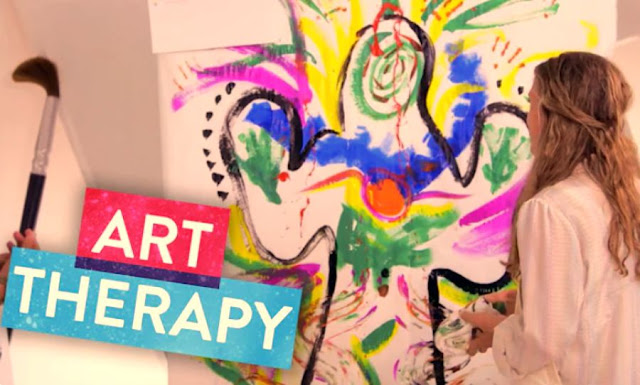
Healing from addiction and mental health challenges does not always begin with finding the right words. For some people, talking about painful experiences, overwhelming emotions, or years of substance use can feel difficult, especially when they are still trying to understand what they have been through. Art therapy offers another way to begin that process. Through drawing, painting, collage, and other creative activities, individuals can explore their emotions, develop healthier coping strategies, and reconnect with themselves. When incorporated into a personalized treatment plan, art therapy can complement addiction recovery and mental health care by making space for expression, reflection, and personal growth.
Recovery is a deeply personal experience. While clinical treatment, counseling, and other evidence-based approaches remain essential, creative activities can provide additional opportunities to understand emotional patterns and practice healthier responses to everyday challenges. For people who struggle to communicate through conversation alone, this different approach may offer a valuable starting point.
What Is Art Therapy, and How Does It Support Recovery?
Art therapy is a therapeutic approach that uses creative processes to support emotional expression, self-awareness, and psychological well-being. When provided by a qualified art therapist, it involves more than simply making art. The process is guided by therapeutic goals and adapted to the individual’s needs.
In addiction and mental health treatment, art therapy may help people explore feelings connected to stress, grief, trauma, anxiety, depression, relationships, and changes in identity.
The finished artwork is not the main measure of success. Instead, the value often lies in the experience of creating, reflecting, and discovering new ways to understand personal experiences.
Why Creative Expression Can Make a Difference
People experiencing addiction or mental health challenges may have difficulty identifying or communicating their emotions. Shame, fear, frustration, and emotional exhaustion can make honest conversations feel intimidating.
Creative activities provide another way to begin expressing those feelings. Someone might use colors to represent anxiety, draw a picture reflecting a difficult day, or create a collage showing what they hope life will look like in recovery.
These activities can encourage reflection without requiring someone to explain everything immediately. With appropriate therapeutic guidance, the process may help individuals recognize emotions and discuss experiences at a pace that feels manageable.
The Role of Art Therapy in Addiction Treatment
Addiction can affect relationships, confidence, decision making, and emotional health. Although substance use may initially seem to relieve distress, relying on substances to manage difficult feelings can create additional problems over time.
Successful recovery involves developing healthier ways to respond to those feelings.
Developing Healthier Coping Strategies
Stress, loneliness, conflict, and disappointment can become difficult to manage without effective coping skills. Art therapy can introduce creative activities as one option for handling emotional discomfort.
For example, someone might draw when feeling overwhelmed, create a visual journal to reflect on recurring emotions, or use a structured art exercise to explore responses to stressful situations.
These practices can encourage people to pause and reflect rather than react automatically. Over time, they may become part of a broader collection of healthy coping strategies that also includes counseling, physical activity, peer support, and relaxation techniques.
Rebuilding Confidence and Personal Identity
Addiction can cause people to lose confidence in their abilities and feel defined by their past experiences. Rebuilding a sense of identity is therefore an important part of recovery.
Creative projects can provide opportunities to make choices, experiment, solve problems, and complete meaningful tasks. These experiences may reinforce a sense of accomplishment and personal agency.
Art can also help individuals explore interests, values, goals, and hopes that extend beyond substance use. This process can support the development of an identity centered on personal strengths and future possibilities.
How Art Therapy Supports Mental Health
Addiction and mental health concerns frequently overlap. A person may experience anxiety, depression, trauma-related symptoms, or persistent stress alongside substance use challenges. Treating these concerns together is important because emotional difficulties can influence recovery, while substance use can also complicate mental health.
Art therapy may complement professional mental health treatment by offering another way to explore thoughts and feelings.
Managing Stress and Anxiety
Creative activities can encourage focused attention on the present moment. Concentrating on colors, patterns, textures, or simple drawing exercises may help some individuals step back from repetitive thoughts and daily pressures.
For example, a person experiencing stress could spend several minutes drawing shapes or coloring a pattern while paying attention to their breathing and physical tension.
Although creative activities do not work the same way for everyone, they can become a useful part of a personal stress management routine.
Exploring Difficult Emotions Safely
Some emotional experiences are difficult to explain, particularly when they involve loss, shame, or painful memories. Creative expression can offer a starting point for examining these feelings.
A qualified therapist can help individuals reflect on what an artwork represents without forcing a particular interpretation. The individual remains in control of what they choose to share.
When trauma is involved, it is especially important to work at an appropriate pace. Creative activities should support a sense of safety and choice rather than pressure someone to revisit distressing experiences before they are ready.
Art Therapy and Holistic Addiction Recovery
A holistic approach to recovery recognizes that lasting wellness involves more than addressing substance use alone. Emotional health, physical well-being, relationships, personal values, and meaningful daily activities can all influence how someone experiences recovery.
Art therapy may complement this broader approach by encouraging self-reflection, creativity, and emotional awareness.
Supporting Inpatient and Outpatient Treatment
Creative approaches may be incorporated into different levels of care when appropriate for the individual’s treatment plan.
In inpatient treatment, structured creative activities can complement counseling, group sessions, and other clinical services. They may provide opportunities for reflection and healthy engagement within a supportive setting.
In outpatient treatment, individuals may use creative practices as part of their ongoing wellness routines. Visual journaling, drawing, or other activities can offer opportunities to reflect between appointments and practice skills learned during therapy.
The specific role of art therapy depends on clinical needs, treatment goals, and the recommendations of qualified professionals.
Respecting Individual Values and Faith
Recovery should reflect the individual’s beliefs, preferences, and goals. For people who value spirituality or faith, creative activities may provide a way to explore gratitude, hope, forgiveness, purpose, or spiritual growth.
Others may prefer to focus on relationships, personal development, or creative interests. Neither approach needs to be forced. The purpose of individualized care is to identify supportive practices that make sense for the person receiving treatment.
Practical Ways to Explore Creativity During Recovery
Creative expression does not require expensive supplies or professional artistic skills. Simple activities can provide opportunities for reflection and healthy engagement.
Consider these ideas:
1. Keep a visual journal. Combine short written reflections with drawings, colors, or symbols that represent your emotions and experiences. Over time, reviewing your entries may help you notice patterns in your mood and stress levels.
2. Create a personal strengths collage. Use images and words to represent qualities you want to develop, relationships that support you, and goals that matter to you. Keep the collage somewhere you can revisit when motivation feels low.
3. Draw your stress. When you feel overwhelmed, use shapes, lines, and colors to represent what you are experiencing. Afterwards, consider what might help you respond to the situation in a healthier way.
4. Make something without judging the result. Try painting, sketching, or creating a simple collage without worrying about whether it looks good. Focus on the activity itself rather than perfection.
5. Discuss your experience with a professional. If creative work brings up strong emotions, consider exploring those reactions with a therapist. Professional guidance can help you understand the experience and determine whether the activity supports your recovery goals.
These exercises can complement treatment, but they are not substitutes for professional art therapy or comprehensive addiction and mental health care.
Choosing a Treatment Approach That Fits Your Needs
No single therapeutic approach works for everyone. Some people benefit most from individual counseling, while others respond well to group support, structured treatment programs, creative activities, or a combination of services.
The important consideration is whether the overall treatment plan addresses the person’s specific challenges and goals.
When exploring treatment options, consider asking providers:
- What evidence-based services are available for addiction and mental health concerns?
- Can creative or expressive therapies be incorporated when appropriate?
- How are treatment goals adapted to individual needs?
- What support is available for managing stress, cravings, and emotional difficulties?
- How does the program prepare individuals for continued recovery after intensive treatment?
These questions can help you understand how a program approaches whole-person care and whether its services align with your needs.
A Different Way to Begin Healing
Art therapy offers an alternative way to explore emotions, develop coping skills, and reconnect with personal strengths during addiction recovery and mental health treatment. For individuals who find traditional conversation challenging, creative expression may provide an accessible starting point for reflection and communication.
However, lasting recovery requires appropriate support, consistent effort, and a treatment plan that addresses the full range of an individual’s needs. Art therapy can complement evidence-based care, but it should not replace necessary medical treatment, counseling, or other recommended services.
You do not have to be an artist to explore the benefits of creativity. What matters is finding healthy ways to understand your experiences, manage difficult emotions, and build a life that supports your well-being.
If you or someone you care about is struggling with addiction or mental health challenges, consider reaching out to a qualified treatment professional. With individualized guidance and the right combination of services, a different way of healing may help you take meaningful steps toward greater stability, renewed confidence, and lasting recovery.