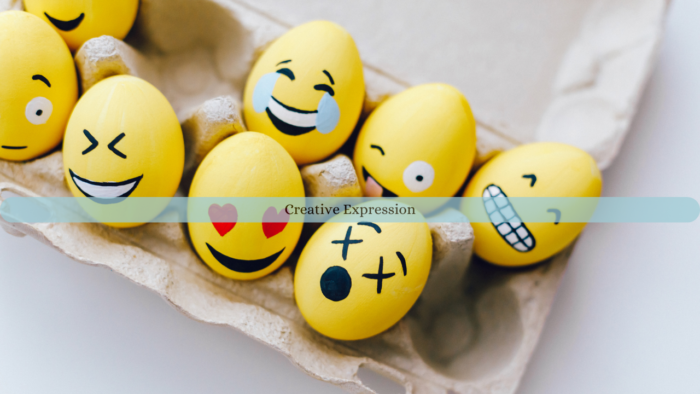
The Impact of Art Therapy in Healing Processes

Art therapy is an evidence-based, holistic approach to wellness that combines psychotherapy with creative expression. It is a form of psychotherapeutic treatment that uses art media as its primary mode of communication and presentation. Art therapy can be used to help people cope with a wide variety of physical and mental health problems, including depression, anxiety, post-traumatic stress disorder (PTSD), substance abuse, and in cases of trauma and other psychological conditions such as addiction. In particular, its use in the healing process, for individuals who have experienced trauma, has been increasingly documented.

The therapeutic power of visual art-making can benefit a wide array of mental health conditions, including those due to trauma. Art is a powerful, non-verbal form of communication, allowing us to access difficult emotions and deeply held beliefs about ourselves and our lives which may be hard to express in words. The experience of creating art can help to reduce anxiety and stress, aiding in the overall healing process. When collaborating with an experienced mental health professional, art therapy can provide a safe, non-judgmental space for individuals to express and process traumatic experiences in an effective and meaningful way.

In addition to providing a safe space to process trauma, art therapy can help to develop a sense of self-efficacy by giving people the opportunity to practice “creating a better self.” By creating visual works of art, individuals can externalize their emotions and ideas, which can serve as a platform for psychological exploration. This can in turn help to strengthen curiousity and self-expression, build creative problem-solving skills, and foster confidence.

Art therapy can also be used to enhance insight and improve the therapeutic process by visually illustrating themes and patterns in the individual’s life, providing a unique approach to understanding their circumstances and potential solutions. In this way, art therapists can gain a deeper insight into an individual’s life experiences, and can use their artistic expression as a bridge to uncovering repressed or forgotten memories. Furthermore, this form of creative expression can help to normalize the individual’s experiences in order to create a calmer and more settled emotional state.

The creative process of art-making can also provide physical and psychological benefits, such as distraction from stress and anxiety, increased self-esteem as one’s art is appreciated, and a sense of accomplishment as projects come to fruition. Furthermore, by engaging in a creative process in a safe, supportive environment, individuals can learn to tap into their inner resources and become more self-aware. This can assist in reconnecting with a sense of meaning and purpose in life in a way that no other therapeutic approach can achieve.

In conclusion, art therapy provides a powerful, emotion-focused approach to healing that can be effective in helping to process traumas, develop emotional self-awareness, and reconnect with a sense of meaning and purpose in life. By creating art and working with a qualified practitioner, individuals can gain greater insight into themselves and learn effective ways to help cope with painful and traumatic experiences. In this way, art therapy can be a powerful tool in fully healing from the effects of trauma and developing a healthier, more mindful life.

Does art heals addiction

Addiction, whether it be to physical substances, behavior, or relationships, is a devastating psychological issue affecting millions of people all over the world. But can art offer a form of healing and recovery from addiction?

It might not seem like it, but art and addiction have a long, intertwined history. In the past, art was used to depict and glorify alcohol and drug use, as well as other forms of problematic behavior. Fortunately, there’s been a shift in society’s view on addiction, and art is now being used to help those suffering from addiction to recover.

The idea of art as a form of therapy for addiction has been gaining prominence in recent years, and many studies have been conducted on the healing effects of art. It’s been found that art therapy can be just as effective, and sometimes even more effective, than traditional forms of addiction therapy.

Art therapy works by helping those suffering from addiction to express their feelings in a safe, constructive, and creative manner. This can help with the psychological healing process, as it allows the individual to constructively explore their emotions and come to terms with the issues that may be at the root of their addiction.

Another way that art can help those suffering from addiction is by providing them with a sense of purpose. Addiction often leaves individuals feeling empty and helpless, and art can provide them with a form of creative expression that they can focus on and see as something to strive for in their recovery.

For those in recovery, art can also provide a form of support and community. There are now many online communities and galleries dedicated to showcasing works of art from those in recovery, providing a safe space for individuals to come together and support one another.

Furthermore, art is also being used as a platform to help in the recovery process. Organizations such as ‘Kid Cudi’s Half Way House’, which offers art classes, creative workshops, and support programs for those in recovery, are a great example of how art can help support and further the recovery process.

It’s clear to see how art can be of immense help to those suffering from addiction. Not only can it aid in the psychological healing process, but it can also provide a sense of purpose and community to individuals in recovery.

Of course, art is not a cure-all for addiction and should be used alongside traditional forms of therapy. Addiction is a difficult illness and dealing with addiction requires a holistic approach that will vary from person to person. However, art can be a valuable and effective addition to recovery, even if it’s just with helping those with addiction to express themselves and find peace.

What is Addiction Disorder?

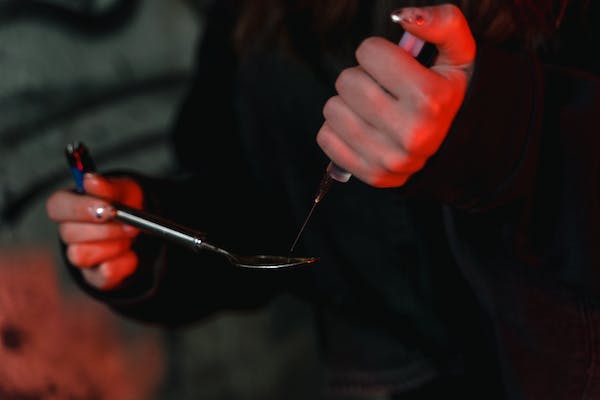
Addiction disorder is a complex mental health condition that is characterized by an inability to stop taking a substance or engaging in a certain behavior, despite the negative consequences that may arise. People with addiction disorder have an intense and compulsive focus on a certain substance or behavior, and often develop physical and psychological dependencies on it. This addiction can cause serious physical, psychological, and social problems if left untreated.

Addiction disorder is often caused by a combination of factors, such as genetics, environmental influences, and-in some cases-past trauma. While some people develop an addiction due to genetic predisposition, this is not always the case, and even people without a genetic predisposition can become addicted if exposed to certain factors. Environmental influences, such as witnessing substance abuse or being exposed to drug-related material, can also increase the risk of becoming addicted. People who have experienced trauma, such as a traumatic event or abuse, may also be more likely to develop an addiction disorder.

The most common types of addiction disorder include alcohol, drugs and reckless behaviors. Substance addiction disorder, or drug addiction, occurs when the person is relying on drugs or alcohol to function on a daily basis. This is often caused by changes in the brain, which makes it difficult for the person to resist the urge to continue using. Behavioral addiction disorder, on the other hand, is when a person has a compulsion to engage in certain behaviors, like gambling, even when there are significant consequences associated with the behavior.

People with addiction disorder often experience a wide range of physical and psychological symptoms, depending on the type of addiction they have. Common physical symptoms include changes in appetite, sleep patterns, and body weight. People with addiction are also more likely to experience emotional responses to situations, including anxiety, sadness, and irritability. Additionally, people with addiction disorder may also exhibit destructive behaviors, such as neglecting responsibilities and isolating themselves from friends and family.

The treatment for addiction disorder focuses on the underlying causes of the disorder, as well as the physical and psychological symptoms. People with addiction often need help in managing their cravings and developing healthier coping mechanisms, in addition to medications to help them cope with withdrawal symptoms. Psychotherapy is often used to help people gain insight into the psychological symptoms of addiction and how to change their behaviors. Social support is also important for people with addiction, as it helps build a strong support system and provides role models who are not involved in the addiction.

It is important to reach out for help if you or a loved one is struggling with an addiction disorder. Treatment can be beneficial in helping individuals overcome their addiction and develop healthier behaviors. With the right help and support, people with addiction disorder can go on to lead healthier and happier lives.

Common Types of Therapeutic Art

art therapy types

The process of creating visual art is a very restorative one to our souls. Creating art has been proven to lower blood pressure, reduce anxiety, use the right and left brain actively together and relieve many mental disorder symptoms. There is no doubt that we were intended to use our creative faculty to keep ourselves in balance. There are certain visual art forms that are particularly well known for their therapeutic qualities.
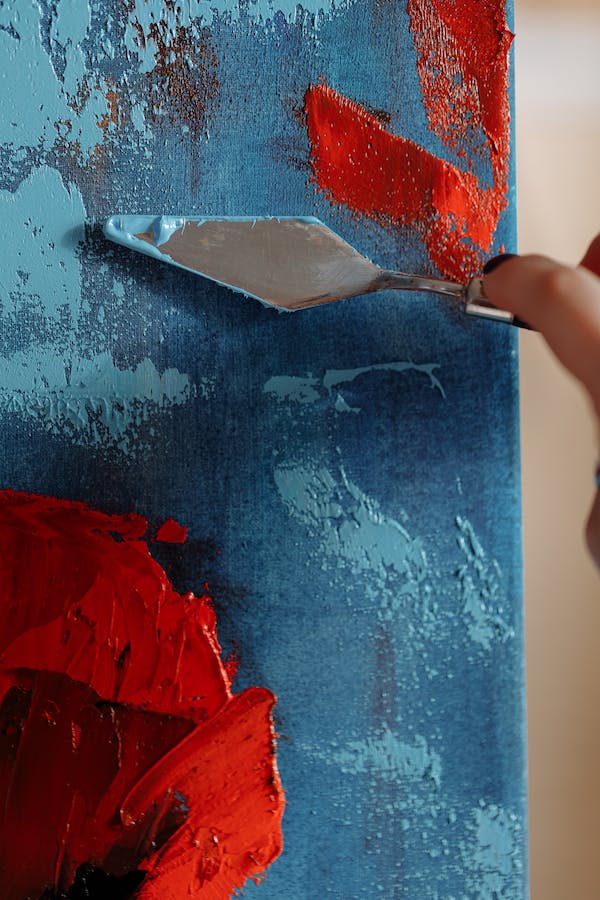
Perhaps the most therapeutic medium for creating visual art is through painting, or using any other art tool that controls the use of the color spectrum. Paints, pastels, colored pencils and even crayons allow the artist to create whatever one-dimensional image they desire with whatever combination of colors they choose. This allows for a wide scope of expression. Materials for this type of project are easy to obtain and the creative possibilities are unending. Particularly having the ability to use a range of colors, which are strongly tied to emotion, is beneficial to mental health.
Drawing is very good for those who like to focus on the construction of the image itself rather than its tones. Drawing is a favorite of those who have exacting brains that seek to perfectly emulate an image. It is also good for artists who are imaginative and conceptual because it allows them to express their ideas visually.
Coloring may sound very elementary to a mature artist, but psychologists have found that coloring is practically a guaranteed way of connecting with your inner child. Coloring is a very basic therapeutic activity, which can transform the artist into a Zen state through its simplicity. Coloring is something that almost all children are given access to in our culture, and engaging in it has the ability to make you think with youthful parts of your mind and help you revisit phases of your life that have past.
And lastly, the simple act of creating a collage can be an incredibly useful tool of expression. Particularly for people who do not feel confident using art utensils to create lines and shading, collage is an excellent way of connecting your visual faculties with your psychologically reflective abilities.

Art to End Addiction and Disorders

addiction disorders art therapyWe have all heard the term ‘art therapy,’ but are you aware that the creative process of being artistic is actually very beneficial to the human psyche? Art has a number of benefits to mental health, hand eye coordination, helping the right and left brain work together and releasing endorphins. The creative part of the brain is a major faculty that was intended to be used regularly, and the visual arts are particularly good for personal expression. In fact, art therapy is so effective that it is a regular part of treatment in many rehabilitation centers to help treat addiction and mental disorder.

People are affected by a vast range of mental disorders, some fleeting and some long term, but one particularly effective way of helping people through mental disorders is through visual art creation. When a person has become entrenched in negative thought or behavioral patterns that are unwinding their well-being, the creative process of making visual art using paints, pencils, collage clippings and other art materials has been found to relieve and even minimize these destructive patterns. Art creation is an effective means of treating mental disorder because it allows for free, uninhibited expression, it gives the artist something to be harmlessly in control of, it uses parts of the brain that are often under resourced which activate a number of creative problem solving abilities.
Time to look at alternatives when necessary, and seek out mental health treatment facilities for professional advice.
The condition of addiction can be dealt with similarly. Both addiction and mental disorder can be overpowering to people, and can feel like an entity of their own. Using art to address addiction or mental disorder and expel feelings about it can be an incredible tool for self expression and for venting about the burden of being affected. Creating visual art also channels past thought patterns because it connects the artist to their youth. This is useful in reconstructing the addict’s brain and helping them recall alternative ways of thinking.

Art Therapy for the Soul

soulful art therapyArt creation has been found to have healing qualities and can be very useful in treating addictions and mental disorders. This is because art creation is a healthy, intrinsic activity for people to engage in. People are intelligent, thoughtful beings that have seemingly been creating art since  their beginning. Language is limited in its ability to express the depths of the soul, and creative endeavors such as art and music fill in where language falls short. Art creation is very useful for having personal revelations, being cathartic, reflecting on the self and for expression.

When a person is struggling with addiction or mental illness, one of their biggest challenges is to sort through their behavior cognitively. Being objective about one’s self is very difficult, and understanding one’s own behavior can be very psychologically complex. That is why many people struggling with addiction and mental illness seek the professional help of an addiction counselor, a psychologist or another mental health professional. Coming to understand your own behavior and then correct it is done partly through the advice of a mental health expert and partly through your own self reflection. One of the best ways of freely exploring your own psyche is through art creation as it opens the mind and allows for the free flow of ideas.

Common types of therapeutic art creation include collage, drawing, painting and photography. Collage can be very useful for those who are visually driven. What they cannot express in words, they can express by finding images that other people created and laying them out in a way that makes sense to them and captures their own original idea. Drawing and painting are two very old artistic mediums that people have been utilizing for centuries. Whether someone is replicating something they see in life or creating from their imagination, drawing and painting will prove to be very therapeutic. Photography is a great artistic medium for those who enjoy interacting with the world, be it the natural world or the man-made world.

Learn More at Valiantrecovery.ca

Why Art Creation Helps People

art therapy helps peopleThere is a reason people continue to create art even when they discover that there is usually no money in it. The creative capacity that exists within human beings is essential to our existence. It is arguable that our creative abilities are even divine. It is widely believed that humans are a result of a divine being’s creative process, which was instilled into us. Creative projects are more than just fun, they are a high-calling.

When it comes to creative projects in the visual arts spectrum, the therapeutic possibilities are endless. What we typically think of as art is an aesthetic arrangement of materials that impact the viewing audience by carrying meaning. Arriving at the destination of meaningful art is consistently a meaningful process. This meaningful process of journeying to fulfill an artistic vision is the part that is most important to people. The creative journey requires introspection, examination, integrity, self-awareness and connection to one’s emotions. Going through this process does a great deal of good for a person’s mental health. Because most of us are exposed to visual arts projects at a very young age, many of these abilities are inherent.

The way that visual arts projects can help people through difficult life circumstances is very unique and beneficial. Creative projects are to difficult emotions what lubrication is to an old bike. They get the gears moving and working. When someone experiences the loss of a loved one, a divorce, being laid off or any other circumstance that causes grief and stress, getting out the art supplies can be the best way of healing. Any creative process will ignite the same faculty that processes major life changes, but the visual arts in particular are very good for high emotions. Sometimes our personal emotions are too big to express logically, and incorporating the use of color or sound is a more effective way of expressing meaning.

Working on a visual art project can also help alleviate disorders, addictions and substance abuse. Other than the mental health benefits described above, the visual arts can also be very useful for connecting with areas of the brain that have not been tapped into for a time. Coloring or doing arts and crafts is known to be one of the best ways of channeling your inner child, when can help you make huge strides in defeating a mental hardship.