Painting a New Path: Creative Recovery Through Art Therapy

Addiction recovery is a deeply personal journey—one that often requires more than conventional treatments. While medical support and counseling are essential, many individuals find that healing truly begins when they can express what words fail to capture. This is where art therapy steps in: a powerful tool that helps people reconnect with themselves, process trauma, and build a future grounded in creativity and resilience.

Art as a Bridge Between Pain and Healing

For those struggling with addiction, emotional pain often lies at the root. Whether from past trauma, loss, or mental health challenges, this pain can feel too overwhelming to articulate. Art therapy provides a safe and nonverbal way to explore these emotions. Through painting, drawing, and other visual media, individuals externalize their inner struggles, turning invisible feelings into visible, tangible expressions.

The act of creating becomes a bridge—connecting subconscious thoughts and buried emotions to the conscious mind. This process allows individuals to confront, understand, and ultimately begin to heal from the deep wounds that often fuel substance use.

Rebuilding the Brain Through Creative Expression

Addiction doesn’t just affect behavior—it rewires the brain, especially the areas related to pleasure, reward, and motivation. When people engage in artistic creation, they stimulate these same neural pathways in a healthier, more sustainable way. Painting, for example, activates the brain’s reward system, releasing dopamine and helping restore balance to a brain disrupted by addiction.

Art therapy also cultivates focus, patience, and mindfulness. These skills are vital in recovery, where managing cravings and emotional triggers can make the difference between relapse and resilience. Time spent with a canvas becomes a meditative, restorative experience—grounding the individual in the present moment.

Creating a New Identity

One of the most damaging effects of addiction is the erosion of self-identity. People often come to see themselves solely through the lens of their addiction, internalizing shame and hopelessness. Art therapy challenges this narrative by offering a new way to see oneself—as an artist, a creator, a survivor.

Each completed piece of artwork becomes a statement of progress, a symbol of effort and transformation. Over time, this creative journey helps rebuild self-esteem and reinforce a new, more empowering identity. Participants begin to believe in their ability to grow, change, and thrive without substances.

A Visual Journal of Recovery

Art therapy also provides a visual timeline of healing. As individuals continue to create, they leave behind a tangible record of their recovery—a gallery of progress, emotion, and insight. Looking back on earlier works, many find they can track emotional shifts, breakthroughs, and moments of courage that might otherwise be forgotten.

Conclusion

Painting a new path in recovery requires courage, self-discovery, and emotional freedom. Art therapy offers all three. It allows individuals to face their past, reimagine their future, and express their truth without fear. In every brushstroke lies a choice—a step away from addiction and toward a life of creativity, clarity, and healing.

Canvas of Courage: How Art Therapy Helps Break the Cycle of Addiction

Addiction is more than a physical dependency; it is often rooted in emotional pain, trauma, and mental health struggles. Traditional recovery methods such as therapy, support groups, and medication play a critical role, but healing from addiction also requires emotional expression and personal transformation. Art therapy provides a creative and compassionate way to break the cycle of addiction, helping individuals process their feelings, rebuild their identities, and find courage in recovery.

Art as a Safe Emotional Outlet

For many individuals, addiction is a way to cope with overwhelming emotions that feel too difficult to express. Shame, guilt, grief, and fear are common undercurrents in the lives of those struggling with substance abuse. Art therapy offers a non-verbal, judgment-free outlet to process these emotions. A canvas becomes a place where feelings can be externalized through colors, shapes, and images, allowing individuals to release emotional tension in a healthy way.

Unlike talk therapy, where verbal communication is required, art therapy enables participants to convey complex, sometimes indescribable experiences. A painting can depict the chaos of addiction, a collage can represent hopes for recovery, and a sculpture can symbolize personal resilience. This creative process provides a starting point for reflection, self-understanding, and healing.

Rewiring the Brain Through Creativity

Addiction alters the brain’s reward system, making it difficult for individuals to experience pleasure without substances. Creative activities like painting, drawing, and sculpting stimulate dopamine production naturally, offering a healthier way to engage the brain’s pleasure pathways. This not only provides emotional relief but also helps rebuild the brain’s capacity for joy and fulfillment in sobriety.

Additionally, the act of creating art promotes mindfulness and focus. The concentration required to paint or draw brings individuals into the present moment, reducing anxiety and interrupting obsessive thought patterns often associated with addiction. This mindfulness can be a valuable tool in managing cravings and preventing relapse.

Building Self-Esteem and Resilience

Addiction often damages a person’s self-esteem, leaving them with feelings of failure and hopelessness. Art therapy encourages individuals to take creative risks, make decisions, and complete projects, all of which build confidence and a sense of accomplishment. Each brushstroke becomes a small act of courage, reinforcing the idea that recovery is possible.

Over time, participants in art therapy begin to see themselves not as addicts but as artists, creators, and survivors. This shift in identity can be a powerful motivator for sustained recovery.

A Path to Self-Discovery

Art therapy also provides a path for self-discovery. Through creating and reflecting on their artwork, individuals can explore who they are beyond their addiction. This journey of self-exploration fosters personal growth and helps individuals envision a new life filled with creativity, purpose, and connection.

Conclusion

Breaking the cycle of addiction requires more than just stopping substance use—it requires healing the mind and spirit. Art therapy offers a canvas of courage where individuals can express their struggles, rediscover their strengths, and paint a new path toward lasting recovery. Through creative expression, healing becomes not just possible, but transformative.

Sculpting a New Life: How Creativity Fosters Resilience in Addiction Recovery

Addiction recovery is not simply about quitting substances—it’s about rebuilding a life from the inside out. It demands strength, self-reflection, and most importantly, resilience. One powerful but often overlooked pathway to nurturing that resilience is creativity. Whether it’s through painting, sculpting, writing, or music, creative expression provides individuals with the emotional tools and inner strength needed to face the challenges of sobriety and sustain long-term recovery.

Creativity as a Catalyst for Change

At the heart of creativity lies transformation. Just as a sculptor turns a block of clay into something beautiful, individuals in recovery are reshaping their lives, piece by piece. Creative expression mirrors the recovery process: it involves starting with raw material—emotions, experiences, memories—and molding it into something meaningful. This practice helps individuals not only release pent-up feelings but also build a new, more empowered self-image.

When people engage in creative activities, they experience a sense of agency and control—something often lost during the cycle of addiction. Each choice made in the creative process, from brushstroke to word, reinforces decision-making skills and self-direction, which are vital in resisting relapse and navigating daily life challenges.

Building Emotional Strength Through Art

Resilience isn’t just about bouncing back—it’s about growing through adversity. Addiction often stems from unresolved emotional pain, trauma, or mental health struggles. Creative outlets provide a safe space to explore and process these deep-rooted emotions without fear of judgment.

Through journaling, individuals can confront difficult memories and find clarity. Through sculpture or painting, they externalize internal chaos. As they create, they begin to understand their emotions, triggers, and needs on a deeper level. This emotional intelligence builds the kind of strength that helps individuals weather setbacks without returning to substance use.

Strengthening the Mind-Body Connection

Art and creativity also help restore the vital connection between mind and body. Many individuals struggling with addiction become disconnected from their physical selves. Activities like dance, painting, or playing a musical instrument engage the senses, ground individuals in the present moment, and foster mindfulness.

Mindfulness is a core component of resilience. By staying grounded, individuals can respond to cravings and stressors with intention rather than impulse. Creative practices reinforce this present-moment awareness, making them powerful allies in recovery.

Creating a New Narrative

Perhaps one of the most empowering aspects of creativity in recovery is the opportunity to rewrite personal narratives. Addiction can rob people of their identity and sense of purpose. Art allows them to tell their own stories—not as victims, but as survivors, creators, and thrivers.

In this process, they don’t just reflect on where they’ve been—they envision where they’re going. Their creations become symbols of progress, courage, and hope. Sharing these stories with others can also build community, reduce stigma, and inspire those still struggling.

Conclusion

Sculpting a new life after addiction is a courageous act—and creativity offers the tools needed to shape that life with purpose and resilience. In every sketch, dance, lyric, or sculpture lies an opportunity to heal, grow, and thrive. Through creativity, individuals in recovery find not just freedom from addiction, but the strength to build a life worth living.

The Art of Recovery: How Creative Expression Replaces Destructive Habits

Addiction often fills a void—a gap created by pain, trauma, or a loss of identity. Destructive habits become coping mechanisms, offering temporary relief while leading to long-term damage. In the journey of recovery, it’s essential to replace these harmful behaviors with healthier alternatives. Creative expression emerges as one of the most effective and empowering tools in this transformation, allowing individuals to channel their energy into meaningful, life-affirming outlets.

Why Creativity Matters in Recovery

Addiction rewires the brain, altering how individuals respond to stress, pleasure, and reward. This neurological shift can make it difficult to find joy or purpose outside substance use. Creative activities—such as painting, writing, music, dance, or photography—activate the brain’s reward system in a natural, balanced way. These pursuits stimulate dopamine release, improving mood and reinforcing positive behaviors without the harmful effects of drugs or alcohol.

Moreover, creative expression fosters self-awareness. Through art, individuals can explore their thoughts, feelings, and memories—often uncovering the root causes of their addiction. This process not only aids in emotional healing but also helps individuals develop a deeper understanding of themselves, which is crucial for lasting recovery.

Replacing Habits with Purpose

Destructive habits often stem from a lack of direction or meaning. Creative expression offers a constructive alternative—a daily practice that brings structure, purpose, and pride. Whether it’s composing a song, writing a journal entry, or sculpting clay, the act of creating becomes a new routine that replaces the old patterns of substance use.

This shift also provides individuals with a tangible sense of progress. Unlike addiction, which often leads to feelings of guilt and despair, creative accomplishments—no matter how small—build confidence and self-esteem. Over time, these positive experiences reinforce a new identity centered around growth, resilience, and capability.

Processing Emotions Through Art

Addiction is frequently tied to unprocessed emotions. Many people use substances to escape from pain, fear, or shame. Art provides a safe and accessible way to confront and express these feelings. A painting can capture sorrow. A poem can give voice to anger. A dance can embody hope.

By externalizing emotions through creative work, individuals are able to release inner turmoil and begin the healing process. This catharsis reduces the emotional burden that often fuels relapse and makes space for recovery to take root.

Creating a New Narrative

One of the most powerful aspects of creative expression is its ability to reshape personal narratives. Addiction often steals identity, replacing it with shame and stigma. Through art, individuals can reclaim their stories and define themselves not by their addiction, but by their courage, creativity, and progress.

Art becomes a testimony of survival—a record of where someone has been and where they are going. Sharing this story, whether in a personal journal or with a wider audience, fosters connection and breaks the isolation that addiction so often brings.

Conclusion

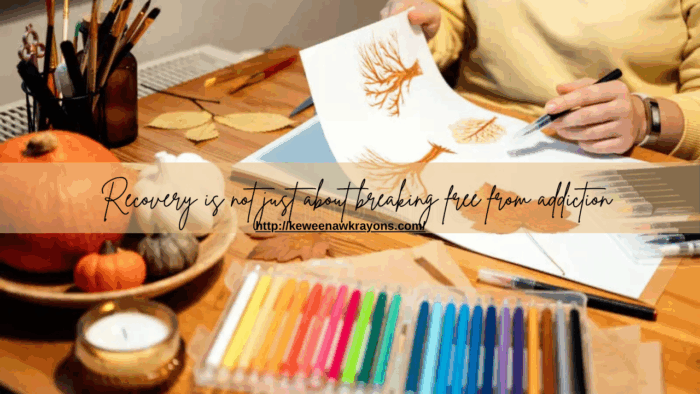
Recovery is not just about breaking free from addiction—it’s about building a new, fulfilling life. Creative expression provides the tools to do just that. By replacing destructive habits with art, individuals can heal, grow, and rediscover the joy of living. In every brushstroke, lyric, or line of text, there is a step forward—a declaration that recovery is not only possible but beautiful.

Turning Pain Into Poetry: How Writing Can Help Break the Cycle of Addiction

Addiction often emerges as a response to deep, unprocessed emotional pain. For many, substances become a way to escape or numb feelings of trauma, grief, anxiety, and hopelessness. However, true healing comes not through avoidance, but through expression. One of the most accessible and powerful forms of expression is writing—particularly poetry. By transforming pain into words, individuals can begin to break the cycle of addiction and reclaim their lives through creative self-discovery.

Writing as a Tool for Emotional Release

Writing provides a private, safe space for individuals to confront their emotions. Poetry, with its rhythmic and metaphorical nature, is especially well-suited for expressing complex and often conflicting feelings. Unlike traditional forms of communication, poetry allows for raw honesty without judgment. The act of writing helps externalize emotions, turning internal chaos into structured expression.

For someone struggling with addiction, this can be a profoundly liberating experience. Feelings of shame, guilt, and despair—often buried deep within—can be brought to the surface and examined with compassion. Writing offers a sense of control over one’s narrative, allowing the writer to redefine their identity beyond the label of addiction.

Reclaiming Voice and Identity

Addiction tends to silence a person’s authentic voice. In its grip, individuals may lose touch with who they are and what they value. Poetry helps restore that lost voice. It provides a medium for self-exploration, enabling individuals to reflect on their journey, their pain, and their hopes for the future.

Through writing, many discover a newfound sense of identity rooted not in their addiction, but in their strength and resilience. Each poem becomes a testament to survival—a marker of growth and a symbol of transformation. Over time, this redefinition of self can play a vital role in sustaining long-term recovery.

Building Self-Awareness and Insight

The introspective nature of poetry encourages self-awareness. By writing regularly, individuals can begin to notice patterns in their thoughts and behaviors. This awareness is key to breaking the cycle of addiction, as it helps individuals identify triggers, recognize harmful coping mechanisms, and develop healthier responses.

Poetry also fosters mindfulness. The focus required to craft language and imagery brings writers into the present moment, offering a reprieve from obsessive thoughts and cravings. This meditative quality can be grounding, reducing anxiety and enhancing emotional regulation.

Connection and Community Through Shared Stories

While poetry is often a solitary activity, sharing one’s work can create meaningful connections. Open mic nights, writing groups, or even online forums provide platforms for individuals to share their journeys and be heard. This sense of community can reduce isolation—a common experience in addiction—and affirm the value of each person’s story.

Hearing others’ poems can also inspire empathy and hope, reinforcing the idea that recovery is possible. In a community of writers, individuals find not only support, but also motivation to continue healing.

Conclusion

Turning pain into poetry is a courageous act of transformation. Through writing, individuals in recovery can face their deepest wounds, find their voice, and chart a path toward healing. Poetry becomes more than art—it becomes a lifeline, a mirror, and a declaration of hope. In every verse, the cycle of addiction begins to break, one honest word at a time.

Healing in Motion: Dance, Theater, and the Path to Sobriety

Recovery from addiction is often viewed as a static process involving therapy sessions, support groups, and self-reflection. While these elements are vital, there is another equally powerful yet often overlooked path to healing: movement. Dance and theater, as expressive forms of motion and storytelling, provide transformative ways for individuals to process trauma, build self-esteem, and find a renewed sense of purpose in their journey to sobriety.

The Healing Power of Dance

Dance is more than just movement to music; it is a deeply personal form of emotional expression. For those in recovery, dance allows for the release of feelings that words often fail to capture—shame, anger, grief, and even hope. As individuals move their bodies, they reconnect with themselves physically and emotionally, something that is often lost during the cycle of addiction.

Dance also fosters mindfulness. The act of staying in rhythm, focusing on steps, and coordinating movement creates a strong presence in the moment. This heightened awareness can counteract cravings and anxiety by redirecting attention to the body and breath. Furthermore, group dance classes create a sense of community, breaking through the isolation that many experience during recovery.

Research supports dance therapy’s benefits, showing improvements in mood, stress reduction, and overall mental health. The physical activity involved also releases endorphins—natural chemicals in the brain that boost mood—helping individuals experience joy and pleasure in healthy, sustainable ways.

Theater as a Stage for Transformation

Theater provides another dynamic and healing avenue for those seeking sobriety. Acting encourages participants to step into different roles and explore emotions in a structured, creative environment. This can be especially valuable for individuals recovering from addiction, as it allows them to express feelings and experiences they may otherwise suppress.

Through character development and storytelling, participants can work through personal issues in a symbolic and often cathartic way. Rehearsing and performing scenes builds confidence, improves communication skills, and strengthens emotional resilience. Importantly, theater also encourages vulnerability—a crucial component of the healing process.

Drama therapy, a recognized form of psychological support, has been used successfully in addiction treatment centers around the world. It provides a safe space for individuals to explore their identity, confront their past, and imagine a new future.

Movement as a Path to Empowerment

Both dance and theater emphasize agency and expression—giving individuals the chance to reclaim their voices and their bodies. These creative practices promote self-discipline, responsibility, and collaboration, all of which are essential for maintaining sobriety. As participants master choreography or memorize lines, they build a sense of accomplishment that can replace the emptiness often left by addiction.

Engaging in movement-based therapies also nurtures creativity, helping individuals discover new interests and passions that support a substance-free lifestyle. For many, these creative outlets become lifelong sources of joy and self-care.

Conclusion

Healing in motion offers a vibrant, holistic approach to addiction recovery. Through dance and theater, individuals can reconnect with themselves and others, explore difficult emotions, and rebuild their lives with purpose and creativity. In movement, they find not just sobriety, but transformation and renewed strength.

From Addiction to Inspiration: How Creativity Rewires the Brain for Healing

Addiction is a condition that deeply impacts the brain, altering its chemistry and behavior. The pursuit of temporary pleasure or relief through substances rewires the brain’s reward system, creating pathways that lead to compulsive behaviors and repeated substance use. However, recovery from addiction is not just about abstaining from substances; it’s about healing the brain and rewiring it to function in a healthier, more balanced way. One of the most powerful tools for this healing process is creativity. Whether through music, art, writing, or movement, engaging in creative expression can stimulate brain areas linked to pleasure, motivation, and emotional regulation, helping to undo the damage caused by addiction.

The Brain and Addiction: A Hijacked Reward System

At its core, addiction hijacks the brain’s reward system. The brain releases dopamine, a “feel-good” neurotransmitter, in response to pleasurable activities. Substances like drugs and alcohol cause an unnatural, massive surge of dopamine, overwhelming the system and reinforcing the desire for more. Over time, the brain becomes dependent on substances to feel pleasure, and the pathways linked to substance use grow stronger while other, healthier coping mechanisms weaken.

For individuals in recovery, the challenge is not just abstaining from substances, but also repairing and rewiring the brain’s reward system. This process of “neuroplasticity,” the brain’s ability to reorganize itself by forming new neural connections, is essential in the recovery journey. And creativity plays a crucial role in this healing process.

Creativity and the Brain: A Natural High

Creative expression—whether painting, playing an instrument, writing, or engaging in dance—can activate the brain’s reward system in a way that is both healthy and sustainable. Unlike substance use, which leads to an artificial surge of dopamine, creative activities allow the brain to release dopamine naturally, promoting feelings of accomplishment, joy, and satisfaction.

Research has shown that engaging in creative activities increases dopamine production, which helps individuals experience pleasure without the need for substances. Moreover, these activities stimulate neural pathways associated with emotion regulation and cognitive flexibility, helping individuals in recovery to better manage stress, make decisions, and stay focused on long-term goals.

Healing Emotional Wounds Through Creativity

Addiction is often rooted in emotional pain, trauma, and unmet psychological needs. Many people turn to substances as a form of self-medication, seeking relief from anxiety, depression, or past traumas. Creativity offers an outlet to process and express these complex emotions in a healthy way. Writing can help articulate painful experiences and reflect on their meaning. Painting allows individuals to externalize emotions that might otherwise be too difficult to express verbally. Music and dance help individuals reconnect with their bodies and emotions, promoting healing through physical movement and rhythm.

Building Resilience Through Creative Expression

Recovery requires resilience—the ability to face setbacks, navigate challenges, and continue moving forward. Creativity fosters this resilience by providing individuals with a sense of accomplishment and purpose. Each completed piece of art, song, or written work serves as a reminder of the individual’s strength and ability to create something positive out of adversity. These creative pursuits can also help build patience, problem-solving skills, and a sense of identity, all of which are crucial for long-term sobriety.

Conclusion

From addiction to inspiration, creativity offers a powerful tool for healing the brain and the emotions. Through engaging in creative activities, individuals in recovery can rewire their brain’s reward system, process emotional pain, and build resilience. Creativity provides a lasting, positive avenue for healing, helping people move from the depths of addiction to a brighter, inspired future.


Let me know if you’d like me to adjust anything or dive deeper into a particular as

Breaking Free with Brushstrokes: The Power of Art Therapy in Addiction Recovery

Addiction recovery is a deeply personal and often painful journey that requires courage, self-discovery, and healing. While traditional therapeutic approaches such as counseling and medication play vital roles, art therapy has emerged as a powerful and transformative tool in helping individuals navigate the road to sobriety. Through brushstrokes, colors, and creative expression, those in recovery can access a deeper understanding of themselves and begin the process of healing from within.

Art as a Safe Space for Expression

Addiction is frequently rooted in unresolved trauma, emotional pain, and a struggle to articulate complex feelings. Many individuals battling addiction find it difficult to express their experiences verbally. Art therapy provides a non-verbal outlet where emotions can be safely explored and expressed without judgment or fear.

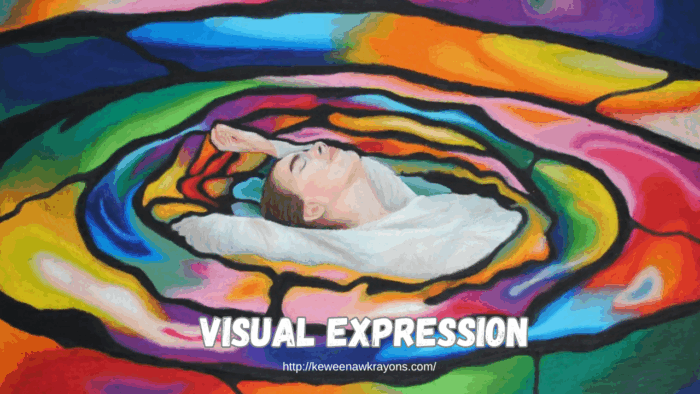
Using visual art, individuals can project their inner turmoil onto a canvas, turning intangible feelings into tangible forms. This process not only validates their experiences but also helps them gain clarity and insight into their emotional world. For many, the act of creating becomes a form of catharsis, releasing suppressed emotions and allowing healing to begin.

Reconnecting Mind and Body

Substance use often leads to a disconnection between mind and body. Art therapy helps rebuild this connection by engaging the senses and encouraging mindfulness. The tactile nature of painting or sculpting requires present-moment focus, which can be grounding and calming.

This reconnection fosters a sense of self-awareness, allowing individuals to better understand their triggers, emotional responses, and patterns of behavior. Over time, this heightened awareness can be instrumental in preventing relapse and fostering lasting change.

Building Confidence and Self-Worth

Addiction can erode a person’s sense of identity and self-esteem. Creating art can be a powerful antidote to these feelings. Completing an artwork—whether a painting, drawing, or collage—provides a sense of accomplishment and pride. These small victories build confidence and reinforce the belief that recovery is possible.

Furthermore, art therapy encourages individuals to see themselves as more than their addiction. As they develop their artistic voice, they begin to form a new, positive identity centered around creativity, resilience, and growth.

A Tool for Reflection and Growth

Art therapy is not just about the finished product—it’s about the process. Each brushstroke, color choice, and design decision becomes a reflection of the individual’s journey. Therapists often use the artwork as a starting point for discussion, helping clients unpack the emotions and experiences embedded within their creations.

This reflective process deepens self-understanding and allows individuals to track their progress over time. Looking back at earlier artworks can highlight emotional milestones, reinforce personal growth, and provide motivation to continue moving forward.

Conclusion

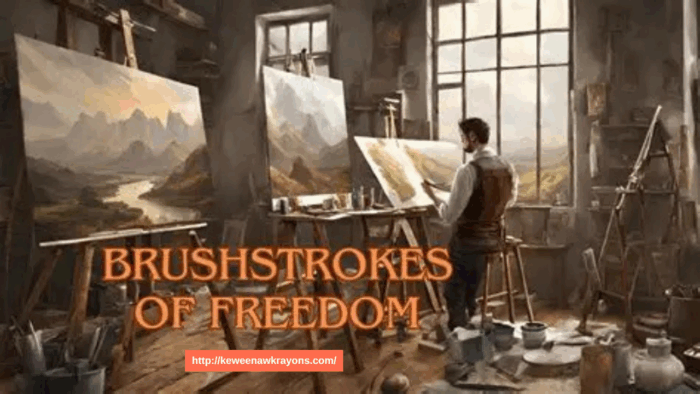
Breaking free from addiction requires more than willpower; it requires healing the emotional wounds that fuel substance use. Art therapy offers a unique and powerful way to access those wounds, express them, and transform them. Through creativity, individuals in recovery can reclaim their identities, find hope, and build a future that is both sober and full of color. With each brushstroke, they paint a path toward freedom.

Rewriting Your Story: How Creative Expression Helps Heal Trauma and Disorder

Trauma and mental health disorders can deeply impact a person’s sense of self, often leaving them feeling trapped in a narrative of pain, fear, and loss. However, creative expression—through writing, art, music, and other forms—offers a powerful way to rewrite that story. By engaging in creative processes, individuals can explore their emotions, reframe their experiences, and find healing in self-expression.

The Power of Storytelling in Healing

One of the most profound ways to process trauma is through storytelling. Writing personal narratives, whether in the form of journaling, poetry, or fiction, provides an outlet for emotions that may be difficult to verbalize. Expressing thoughts and experiences on paper allows individuals to examine their pain from a distance, gaining clarity and understanding.

Through writing, people can reclaim their voices and reframe their experiences in a way that empowers rather than victimizes them. For many, telling their stories helps them transition from a place of suffering to one of growth and resilience. Studies have shown that expressive writing can reduce stress, improve mood, and even enhance immune function.

Art as a Non-Verbal Outlet for Healing

For those who struggle to put their experiences into words, visual art offers another avenue for emotional release. Drawing, painting, sculpting, or collage work allows individuals to process their emotions in a non-verbal, intuitive way. Art therapy has been widely used in treating PTSD, anxiety, and depression, as it bypasses the limitations of language and taps into deeper subconscious feelings.

Creating art fosters mindfulness, bringing individuals into the present moment. The act of creating can be meditative, reducing stress and promoting relaxation. Furthermore, seeing their emotions materialize in a tangible form can give individuals a sense of control over their narrative, helping them process and integrate difficult experiences.

Music and Movement: Expressing Emotion Beyond Words

Music and movement-based practices like dance can be equally transformative in healing from trauma and mental health disorders. Music therapy has been shown to activate emotional centers in the brain, helping individuals process difficult emotions and foster connection. Playing an instrument, singing, or simply listening to music can evoke feelings of comfort and catharsis.

Dance and movement therapy allow individuals to reconnect with their bodies, often helping to release stored trauma. Many people who have experienced trauma disconnect from their physical selves as a protective mechanism. Through movement, they can regain a sense of embodiment, confidence, and personal agency.

Reclaiming Your Narrative Through Creativity

The beauty of creative expression is that it allows individuals to take ownership of their stories. Instead of being defined by trauma or disorder, they can redefine themselves through their artistic endeavors. Whether by painting a new future, composing a song of resilience, or writing a story of triumph, creativity empowers individuals to transform their pain into purpose.

Healing is not about erasing the past, but about finding new meaning within it. Through creativity, individuals can rewrite their stories—not as victims, but as survivors and creators of their own lives.


The Creative Cure: Using Music, Writing, and Art to Overcome Addiction

Addiction is a complex and deeply personal struggle, affecting individuals emotionally, mentally, and physically. Traditional treatments such as therapy and support groups remain essential, but many people in recovery find additional solace and healing in creative expression. Music, writing, and art provide powerful tools for processing emotions, managing triggers, and discovering new purpose beyond substance use.

Music: A Universal Healer

Music has long been recognized for its therapeutic properties. Whether through playing an instrument, singing, or simply listening, music has the ability to evoke emotions, reduce stress, and create a sense of connection. Studies have shown that music therapy can lower anxiety and depression, which are often underlying contributors to addiction.

For individuals in recovery, music can serve as a coping mechanism. Writing lyrics, composing melodies, or even participating in group drumming sessions can provide an emotional release. Music also activates the brain’s reward system in a natural and healthy way, replacing the artificial dopamine surges caused by substance use.

Writing: Turning Pain into Words

Writing is another powerful creative tool that aids in addiction recovery. Journaling, poetry, or storytelling allows individuals to express their inner thoughts and emotions in a safe, structured manner. Writing helps organize chaotic feelings, providing clarity and insight into personal struggles.

By documenting their experiences, individuals can identify triggers and patterns, enabling them to develop better coping strategies. Many recovery programs encourage participants to write letters to their past selves, helping them process guilt, regret, and self-forgiveness. Through writing, individuals can redefine their narratives, transforming their pain into a source of strength.

Art: Visualizing the Healing Process

Artistic expression, whether through painting, drawing, sculpture, or digital media, provides a non-verbal way to explore emotions and trauma. Art therapy is widely used in rehabilitation settings, allowing individuals to externalize their struggles without the need for words.

Creating art fosters mindfulness, encouraging individuals to focus on the present moment rather than dwelling on past regrets or future anxieties. Additionally, art provides a sense of accomplishment, boosting self-esteem and reinforcing a positive identity beyond addiction.

Integrating Creativity into Recovery

Incorporating music, writing, and art into the recovery process does not require professional skills—only a willingness to explore and express oneself. Many rehabilitation centers offer creative therapy programs, while others in recovery may find local community workshops, online groups, or personal creative projects helpful.

Finding a creative outlet allows individuals to replace negative habits with positive ones, filling the void left by addiction with something meaningful. By embracing creativity, people in recovery can discover new passions, build resilience, and find a sense of purpose beyond their past struggles.

Conclusion

Healing from addiction requires a multifaceted approach, and creative expression provides a powerful complement to traditional treatments. Music, writing, and art offer therapeutic benefits, emotional release, and personal growth. By tapping into their creativity, individuals can transform pain into beauty, forging a path toward lasting recovery and a renewed sense of self.