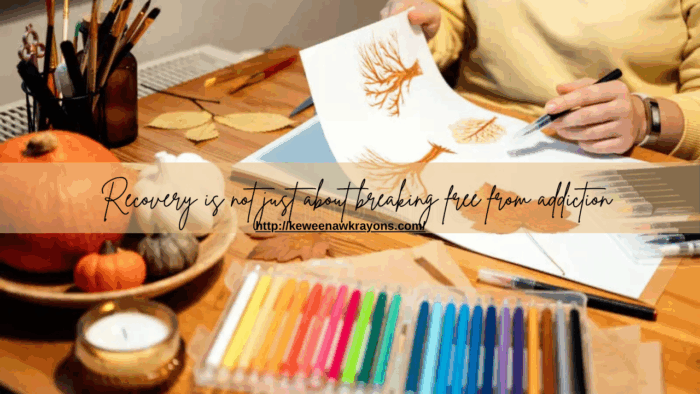
Addiction often fills a void—a gap created by pain, trauma, or a loss of identity. Destructive habits become coping mechanisms, offering temporary relief while leading to long-term damage. In the journey of recovery, it’s essential to replace these harmful behaviors with healthier alternatives. Creative expression emerges as one of the most effective and empowering tools in this transformation, allowing individuals to channel their energy into meaningful, life-affirming outlets.
Why Creativity Matters in Recovery
Addiction rewires the brain, altering how individuals respond to stress, pleasure, and reward. This neurological shift can make it difficult to find joy or purpose outside substance use. Creative activities—such as painting, writing, music, dance, or photography—activate the brain’s reward system in a natural, balanced way. These pursuits stimulate dopamine release, improving mood and reinforcing positive behaviors without the harmful effects of drugs or alcohol.
Moreover, creative expression fosters self-awareness. Through art, individuals can explore their thoughts, feelings, and memories—often uncovering the root causes of their addiction. This process not only aids in emotional healing but also helps individuals develop a deeper understanding of themselves, which is crucial for lasting recovery.
Replacing Habits with Purpose
Destructive habits often stem from a lack of direction or meaning. Creative expression offers a constructive alternative—a daily practice that brings structure, purpose, and pride. Whether it’s composing a song, writing a journal entry, or sculpting clay, the act of creating becomes a new routine that replaces the old patterns of substance use.
This shift also provides individuals with a tangible sense of progress. Unlike addiction, which often leads to feelings of guilt and despair, creative accomplishments—no matter how small—build confidence and self-esteem. Over time, these positive experiences reinforce a new identity centered around growth, resilience, and capability.
Processing Emotions Through Art
Addiction is frequently tied to unprocessed emotions. Many people use substances to escape from pain, fear, or shame. Art provides a safe and accessible way to confront and express these feelings. A painting can capture sorrow. A poem can give voice to anger. A dance can embody hope.
By externalizing emotions through creative work, individuals are able to release inner turmoil and begin the healing process. This catharsis reduces the emotional burden that often fuels relapse and makes space for recovery to take root.
Creating a New Narrative
One of the most powerful aspects of creative expression is its ability to reshape personal narratives. Addiction often steals identity, replacing it with shame and stigma. Through art, individuals can reclaim their stories and define themselves not by their addiction, but by their courage, creativity, and progress.
Art becomes a testimony of survival—a record of where someone has been and where they are going. Sharing this story, whether in a personal journal or with a wider audience, fosters connection and breaks the isolation that addiction so often brings.
Conclusion
Recovery is not just about breaking free from addiction—it’s about building a new, fulfilling life. Creative expression provides the tools to do just that. By replacing destructive habits with art, individuals can heal, grow, and rediscover the joy of living. In every brushstroke, lyric, or line of text, there is a step forward—a declaration that recovery is not only possible but beautiful.