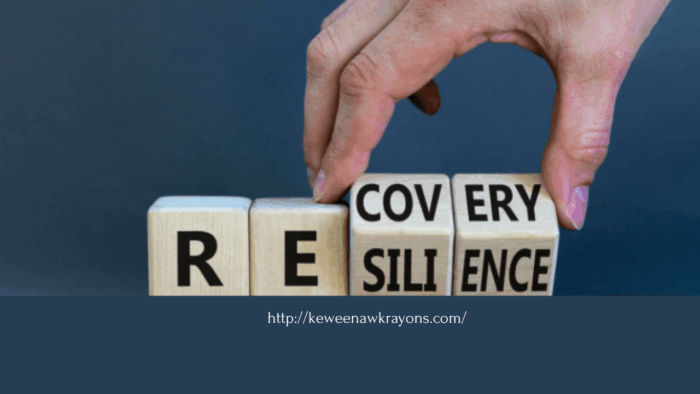
Addiction recovery is not simply about quitting substances—it’s about rebuilding a life from the inside out. It demands strength, self-reflection, and most importantly, resilience. One powerful but often overlooked pathway to nurturing that resilience is creativity. Whether it’s through painting, sculpting, writing, or music, creative expression provides individuals with the emotional tools and inner strength needed to face the challenges of sobriety and sustain long-term recovery.
Creativity as a Catalyst for Change
At the heart of creativity lies transformation. Just as a sculptor turns a block of clay into something beautiful, individuals in recovery are reshaping their lives, piece by piece. Creative expression mirrors the recovery process: it involves starting with raw material—emotions, experiences, memories—and molding it into something meaningful. This practice helps individuals not only release pent-up feelings but also build a new, more empowered self-image.
When people engage in creative activities, they experience a sense of agency and control—something often lost during the cycle of addiction. Each choice made in the creative process, from brushstroke to word, reinforces decision-making skills and self-direction, which are vital in resisting relapse and navigating daily life challenges.
Building Emotional Strength Through Art
Resilience isn’t just about bouncing back—it’s about growing through adversity. Addiction often stems from unresolved emotional pain, trauma, or mental health struggles. Creative outlets provide a safe space to explore and process these deep-rooted emotions without fear of judgment.
Through journaling, individuals can confront difficult memories and find clarity. Through sculpture or painting, they externalize internal chaos. As they create, they begin to understand their emotions, triggers, and needs on a deeper level. This emotional intelligence builds the kind of strength that helps individuals weather setbacks without returning to substance use.
Strengthening the Mind-Body Connection
Art and creativity also help restore the vital connection between mind and body. Many individuals struggling with addiction become disconnected from their physical selves. Activities like dance, painting, or playing a musical instrument engage the senses, ground individuals in the present moment, and foster mindfulness.
Mindfulness is a core component of resilience. By staying grounded, individuals can respond to cravings and stressors with intention rather than impulse. Creative practices reinforce this present-moment awareness, making them powerful allies in recovery.
Creating a New Narrative
Perhaps one of the most empowering aspects of creativity in recovery is the opportunity to rewrite personal narratives. Addiction can rob people of their identity and sense of purpose. Art allows them to tell their own stories—not as victims, but as survivors, creators, and thrivers.
In this process, they don’t just reflect on where they’ve been—they envision where they’re going. Their creations become symbols of progress, courage, and hope. Sharing these stories with others can also build community, reduce stigma, and inspire those still struggling.
Conclusion
Sculpting a new life after addiction is a courageous act—and creativity offers the tools needed to shape that life with purpose and resilience. In every sketch, dance, lyric, or sculpture lies an opportunity to heal, grow, and thrive. Through creativity, individuals in recovery find not just freedom from addiction, but the strength to build a life worth living.