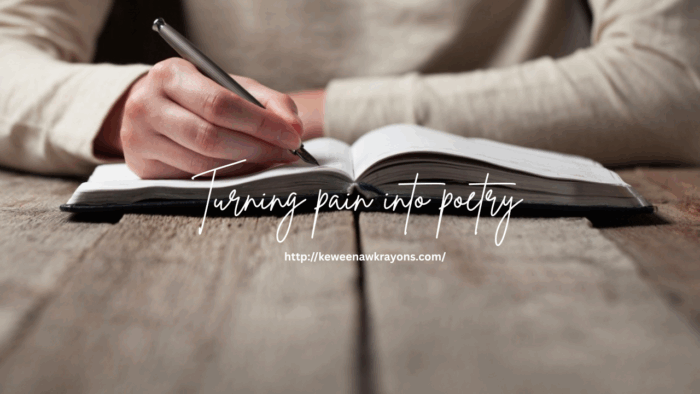
Turning Pain Into Poetry: How Writing Can Help Break the Cycle of Addiction

Addiction often emerges as a response to deep, unprocessed emotional pain. For many, substances become a way to escape or numb feelings of trauma, grief, anxiety, and hopelessness. However, true healing comes not through avoidance, but through expression. One of the most accessible and powerful forms of expression is writing—particularly poetry. By transforming pain into words, individuals can begin to break the cycle of addiction and reclaim their lives through creative self-discovery.

Writing as a Tool for Emotional Release

Writing provides a private, safe space for individuals to confront their emotions. Poetry, with its rhythmic and metaphorical nature, is especially well-suited for expressing complex and often conflicting feelings. Unlike traditional forms of communication, poetry allows for raw honesty without judgment. The act of writing helps externalize emotions, turning internal chaos into structured expression.

For someone struggling with addiction, this can be a profoundly liberating experience. Feelings of shame, guilt, and despair—often buried deep within—can be brought to the surface and examined with compassion. Writing offers a sense of control over one’s narrative, allowing the writer to redefine their identity beyond the label of addiction.

Reclaiming Voice and Identity

Addiction tends to silence a person’s authentic voice. In its grip, individuals may lose touch with who they are and what they value. Poetry helps restore that lost voice. It provides a medium for self-exploration, enabling individuals to reflect on their journey, their pain, and their hopes for the future.

Through writing, many discover a newfound sense of identity rooted not in their addiction, but in their strength and resilience. Each poem becomes a testament to survival—a marker of growth and a symbol of transformation. Over time, this redefinition of self can play a vital role in sustaining long-term recovery.

Building Self-Awareness and Insight

The introspective nature of poetry encourages self-awareness. By writing regularly, individuals can begin to notice patterns in their thoughts and behaviors. This awareness is key to breaking the cycle of addiction, as it helps individuals identify triggers, recognize harmful coping mechanisms, and develop healthier responses.

Poetry also fosters mindfulness. The focus required to craft language and imagery brings writers into the present moment, offering a reprieve from obsessive thoughts and cravings. This meditative quality can be grounding, reducing anxiety and enhancing emotional regulation.

Connection and Community Through Shared Stories

While poetry is often a solitary activity, sharing one’s work can create meaningful connections. Open mic nights, writing groups, or even online forums provide platforms for individuals to share their journeys and be heard. This sense of community can reduce isolation—a common experience in addiction—and affirm the value of each person’s story.

Hearing others’ poems can also inspire empathy and hope, reinforcing the idea that recovery is possible. In a community of writers, individuals find not only support, but also motivation to continue healing.

Conclusion

Turning pain into poetry is a courageous act of transformation. Through writing, individuals in recovery can face their deepest wounds, find their voice, and chart a path toward healing. Poetry becomes more than art—it becomes a lifeline, a mirror, and a declaration of hope. In every verse, the cycle of addiction begins to break, one honest word at a time.
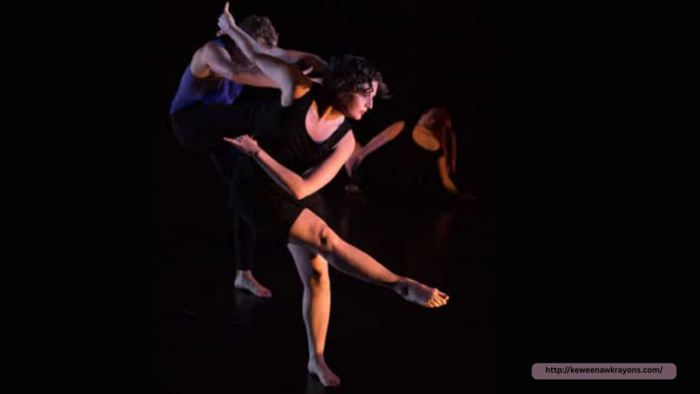
Healing in Motion: Dance, Theater, and the Path to Sobriety

Recovery from addiction is often viewed as a static process involving therapy sessions, support groups, and self-reflection. While these elements are vital, there is another equally powerful yet often overlooked path to healing: movement. Dance and theater, as expressive forms of motion and storytelling, provide transformative ways for individuals to process trauma, build self-esteem, and find a renewed sense of purpose in their journey to sobriety.

The Healing Power of Dance

Dance is more than just movement to music; it is a deeply personal form of emotional expression. For those in recovery, dance allows for the release of feelings that words often fail to capture—shame, anger, grief, and even hope. As individuals move their bodies, they reconnect with themselves physically and emotionally, something that is often lost during the cycle of addiction.

Dance also fosters mindfulness. The act of staying in rhythm, focusing on steps, and coordinating movement creates a strong presence in the moment. This heightened awareness can counteract cravings and anxiety by redirecting attention to the body and breath. Furthermore, group dance classes create a sense of community, breaking through the isolation that many experience during recovery.

Research supports dance therapy’s benefits, showing improvements in mood, stress reduction, and overall mental health. The physical activity involved also releases endorphins—natural chemicals in the brain that boost mood—helping individuals experience joy and pleasure in healthy, sustainable ways.

Theater as a Stage for Transformation

Theater provides another dynamic and healing avenue for those seeking sobriety. Acting encourages participants to step into different roles and explore emotions in a structured, creative environment. This can be especially valuable for individuals recovering from addiction, as it allows them to express feelings and experiences they may otherwise suppress.

Through character development and storytelling, participants can work through personal issues in a symbolic and often cathartic way. Rehearsing and performing scenes builds confidence, improves communication skills, and strengthens emotional resilience. Importantly, theater also encourages vulnerability—a crucial component of the healing process.

Drama therapy, a recognized form of psychological support, has been used successfully in addiction treatment centers around the world. It provides a safe space for individuals to explore their identity, confront their past, and imagine a new future.

Movement as a Path to Empowerment

Both dance and theater emphasize agency and expression—giving individuals the chance to reclaim their voices and their bodies. These creative practices promote self-discipline, responsibility, and collaboration, all of which are essential for maintaining sobriety. As participants master choreography or memorize lines, they build a sense of accomplishment that can replace the emptiness often left by addiction.

Engaging in movement-based therapies also nurtures creativity, helping individuals discover new interests and passions that support a substance-free lifestyle. For many, these creative outlets become lifelong sources of joy and self-care.

Conclusion

Healing in motion offers a vibrant, holistic approach to addiction recovery. Through dance and theater, individuals can reconnect with themselves and others, explore difficult emotions, and rebuild their lives with purpose and creativity. In movement, they find not just sobriety, but transformation and renewed strength.